
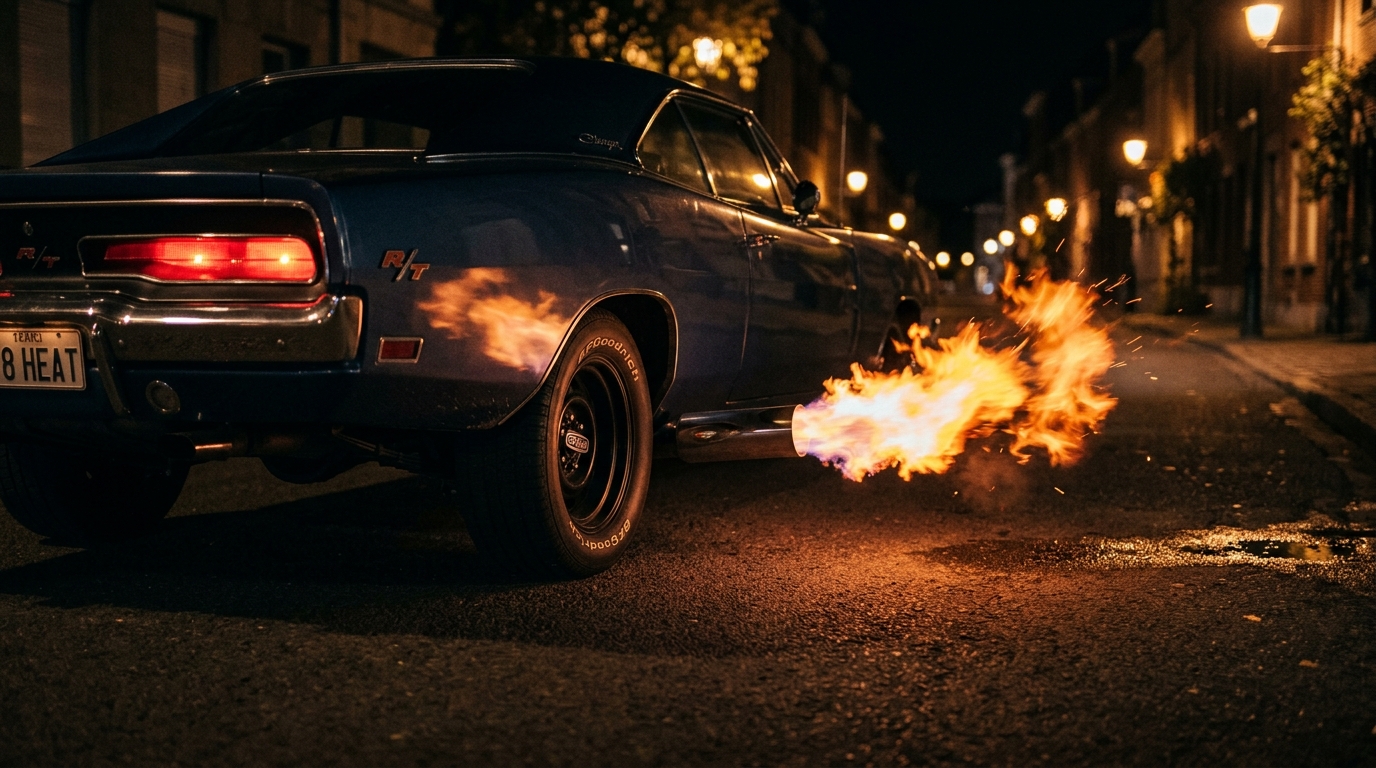
You’re driving down the road, and your car makes a loud POP! It sounds like a gun or a firecracker going off. Your heart skips a beat. But before you panic, take a breath. That scary sound is called a car backfire, and if you’re wondering why cars backfire, you’re not alone. Let’s break it all down in the simplest way possible.
What Is a Car Backfire?
A car backfire is when your engine burns fuel in the wrong place at the wrong time. Normally, fuel burns inside the combustion chamber to power your car. But when something goes wrong, that fuel burns inside the exhaust system or the intake manifold instead.
The result? A loud bang, sometimes a flash of flame from the tailpipe, and a car that feels less powerful than usual.
Backfire vs. Afterfire: What Is the Difference?
Many people use these two words the same way, but they mean slightly different things.
A backfire happens when unburnt fuel ignites inside the exhaust system. An afterfire is the same thing, but some mechanics also use it to describe a pop that happens after you shut the engine off.
A pop-back (or popback) is a bit different. It happens when fuel burns backward through the intake manifold instead of going out the exhaust. According to Wikipedia, mechanics more strictly define an ignition of fuel within the exhaust system as a “backfire,” while a “popback” is the same process taking place in the intake or induction system.
Honestly, for most people, all three feel the same. You hear a bang and wonder what just happened to your car.
What Does a Car Backfire Sound Like?
It sounds exactly like a gunshot or a firecracker. Some people even pull over thinking something hit their car.
The sound can happen when you start the engine, when you accelerate hard, when you shift gears, or even when you suddenly let off the gas. The louder and more frequent it is, the more likely something needs fixing.
Why Do Cars Backfire? The Most Common Reasons
So why do cars backfire? The short answer is that the air-fuel ratio is off, the ignition timing is wrong, or something in the exhaust system is broken. Let me walk you through each reason.
Running Rich: Too Much Fuel in the Engine
This is one of the most common reasons a car backfires. When the engine is running rich, it means there is too much fuel and not enough air in the mix.
When an engine is running rich, it has too much fuel and too little air, which slows down the combustion process. When combustion does not happen in a timely manner, the exhaust valve opens while the air-fuel mixture is still igniting, causing this explosion to “spill” out of the cylinder, making a loud popping noise.
I once had an older car that would pop loudly every time I hit the gas hard. My mechanic told me the fuel injectors were leaking too much fuel into the engine. Once he fixed them, the backfiring stopped completely. It’s a simple fix, but you have to catch it early.
A rich condition can be caused by a clogged air filter, a bad mass airflow sensor or a leaking fuel injector.
Running Lean: Not Enough Fuel to Burn
On the flip side, running lean means there is too much air and not enough fuel. This also causes problems.
If there is not enough fuel mixed with the air in the engine, the resulting mixture will combust more slowly. When the exhaust valves open, there will still be unburned gasoline ready to get dumped into the exhaust.
A lean condition can happen because of a vacuum leak, a clogged fuel filter or a weak fuel pump. The fix usually means checking for air leaks or replacing fuel system parts.
Ignition Problems That Lead to Backfires
Your engine needs a spark at exactly the right moment. If that spark fires too early or too late, you get a backfire. It’s all about timing.
Bad Spark Plugs and Ignition Coils
Common causes of backfire are running rich or faulty ignition, possibly a fouled (dirty) spark plug, coil or plug wire.
A dirty spark plug or a cracked ignition coil can cause a misfire. When the plug does not fire correctly, fuel does not burn fully. That leftover unburnt fuel then travels into the exhaust system and ignites there. That’s your backfire.
Old spark plug wires can also cause problems. On older cars with a distributor cap, if the cap is cracked, it allows moisture to creep in, which causes the electrical spark to jump to the wrong cylinder, causing a backfire.
Replacing spark plugs is one of the cheapest and easiest car fixes you can do. Most mechanics recommend changing them every 30,000 to 100,000 miles depending on your car.
Wrong Ignition Timing
Ignition timing tells the spark plug exactly when to fire. If the timing is off, even by a tiny bit, the fuel ignites at the wrong moment.
If the ignition timing is too early, the spark plug fires before the intake valves close, causing the combustion to propagate into the intake manifold. If the timing is late, combustion is not completed by the time the exhaust valves open, allowing combustion to propagate into the exhaust system.
Modern cars use a computer (called the ECU) to control timing automatically. But older cars with a carburetor and distributor need to be adjusted manually. If you drive an older vehicle, a simple tune-up can fix timing issues and stop the backfiring.
Exhaust System Problems and Backfiring
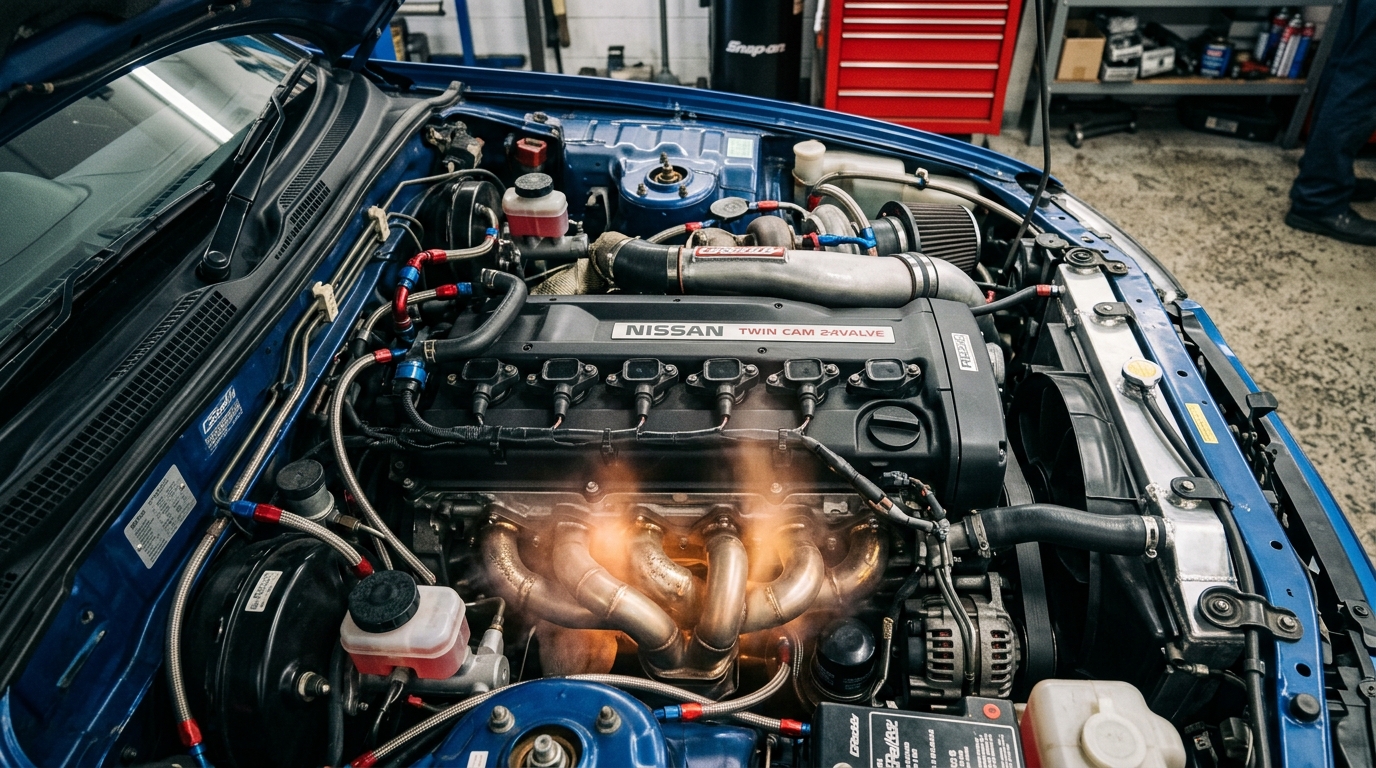
Your exhaust system does more than just carry gases out of the car. If any part of it is damaged, backfires can happen.
Exhaust Leaks and Backfires
An exhaust leak lets outside air sneak into the exhaust pipe. That extra air mixes with unburnt fuel still in the exhaust. When heat hits that mixture, it ignites. Bang. Backfire.
If your car has an exhaust leak, air can enter the exhaust system and mix with the exhaust gases. This combination can cause the unburnt fuel to ignite, resulting in the popping or backfiring sound. This can be noticeable when the vehicle is idling or during acceleration.
Signs of an exhaust leak include a hissing or popping sound, strange smells from the engine area and a drop in engine performance. Rust and loose connections are two of the most common causes of exhaust leaks.
A Damaged Catalytic Converter
The catalytic converter is a part of your exhaust system that cleans harmful gases before they leave the tailpipe. When it stops working properly, it can also cause backfires.
A missing or damaged catalytic converter can result in backfires out the tailpipe. Exhaust system backfires occur in engines that have an emission system malfunction, like an air injection system diverter valve problem or an exhaust leak.
A bad catalytic converter can also cause your car to fail an emissions test. If you hear frequent popping from the back of your car along with a rotten egg smell, your catalytic converter may need replacing.
Can a Car Backfire Damage Your Engine?
This is one of the first things people ask. And the answer is: it depends.
When Backfiring Is a Real Problem
If your car is backfiring often and you also notice power loss, poor fuel economy or a check engine light, then yes, it can lead to engine damage over time.
Repeated backfires can crack or warp exhaust components. They can damage intake valves and even bend pistons in extreme cases. If left unchecked, a backfiring engine can result in damage to your car’s exhaust or intake.
The key is to not ignore it. The longer you wait, the more expensive the repair gets.
When a Backfire Is Harmless
Not every backfire is a sign of disaster. Sometimes, a single pop when you shift gears or let off the gas is totally normal, especially in performance cars or older vehicles.
An afterfire when shifting gears is not necessarily damaging your vehicle. Most of these occur on manual vehicles where a clutch is used to shift gears. As fuel builds up in the exhaust and ignites when you release the clutch, you hear the pop.
Some sports cars are even designed to pop and crackle. It’s part of the appeal. So if it only happens once in a while and your car feels fine, you may not need to rush to the mechanic.
How to Fix a Car That Keeps Backfiring
Good news: most backfire causes are fixable. And many of them are not super expensive.
Simple Ways to Stop Your Car from Backfiring
Here are the most common fixes based on the cause:
- Replace dirty or worn spark plugs and ignition coils
- Fix or replace a cracked distributor cap (for older cars)
- Clean or replace the air filter and mass airflow sensor
- Check for exhaust leaks and seal them
- Fix a clogged fuel injector or fuel filter
- Get a proper tune-up if you drive an older car with a carburetor
- Have the ignition timing checked and adjusted
According to the U.S. Department of Energy, keeping your engine properly tuned can improve fuel efficiency by up to 4% and prevent combustion problems that lead to issues like backfiring. You can learn more at.
If you notice a check engine light along with backfiring, get a diagnostic scan done first. It will point you straight to the problem.
Old Cars vs. Modern Cars: Who Backfires More?
Old cars backfire a lot more. That’s just the truth.
Older engines are more prone to backfiring because the systems are not computer controlled and need constant adjustments called a tune-up. Classic cars featured carburetors rather than direct fuel injection. If the carburetor was not working correctly, it might not spray the right amount of fuel, leading to an incorrect air-fuel ratio and an engine backfire.
Modern cars use a computer to control everything from fuel injection to spark timing. This makes backfiring very rare in new vehicles. But even modern cars can backfire if a sensor fails or a fuel system part breaks.
So if you drive a classic or vintage car, regular maintenance is your best friend. And if you drive a newer car that starts backfiring, get it checked right away because something is likely wrong.
Conclusion
So why do cars backfire? The main reasons come down to a wrong air-fuel ratio, bad ignition timing, dirty spark plugs or a broken exhaust system. It’s your car’s way of telling you something is off inside the engine.
The good news is that most causes are fixable with a basic tune-up or part replacement. The key is not to ignore it. One pop here and there might be fine, but if it keeps happening, take your car in before a small problem turns into a big repair bill.
Have you had your car backfire on you? I’d love to hear your experience in the comments below!
Frequently Asked Questions (FAQs)
Can a car backfire damage the engine?
Yes, it can, but not always right away. If the backfiring happens often and is linked to issues like misfiring, exhaust leaks or a rich fuel mix, it can damage your exhaust system and even your intake valves over time. A one-time pop is usually harmless, but repeated backfires need attention.
Why does my car backfire when I start it?
This usually means the air-fuel ratio is off. There could be too much fuel in the combustion chamber, a bad spark plug or a timing problem. Cold starts can sometimes trigger a backfire because the engine needs a moment to balance the fuel and air mixture properly.
Why does my car backfire when I let off the gas?
When you suddenly lift off the gas, fuel can still enter the engine for a split second. That unburnt fuel travels into the hot exhaust system and ignites. This is more common in older cars or performance vehicles. It’s called an afterfire and is often harmless, especially on manual cars.
Is it safe to drive a car that keeps backfiring?
If it happens once or twice, you can likely drive to a mechanic without risk. But if your car is backfiring constantly, you notice a loss of power, a check engine light or strange smells, you should stop driving and get it checked. Driving too long with this issue can cause more damage to the exhaust system and engine parts.
How do I stop my car from backfiring?
Start with the basics. Replace old spark plugs and ignition coils, check for exhaust leaks, clean or replace the air filter and get the fuel system inspected. For older cars, a full tune-up including carburetor adjustment and ignition timing check usually solves the problem.