
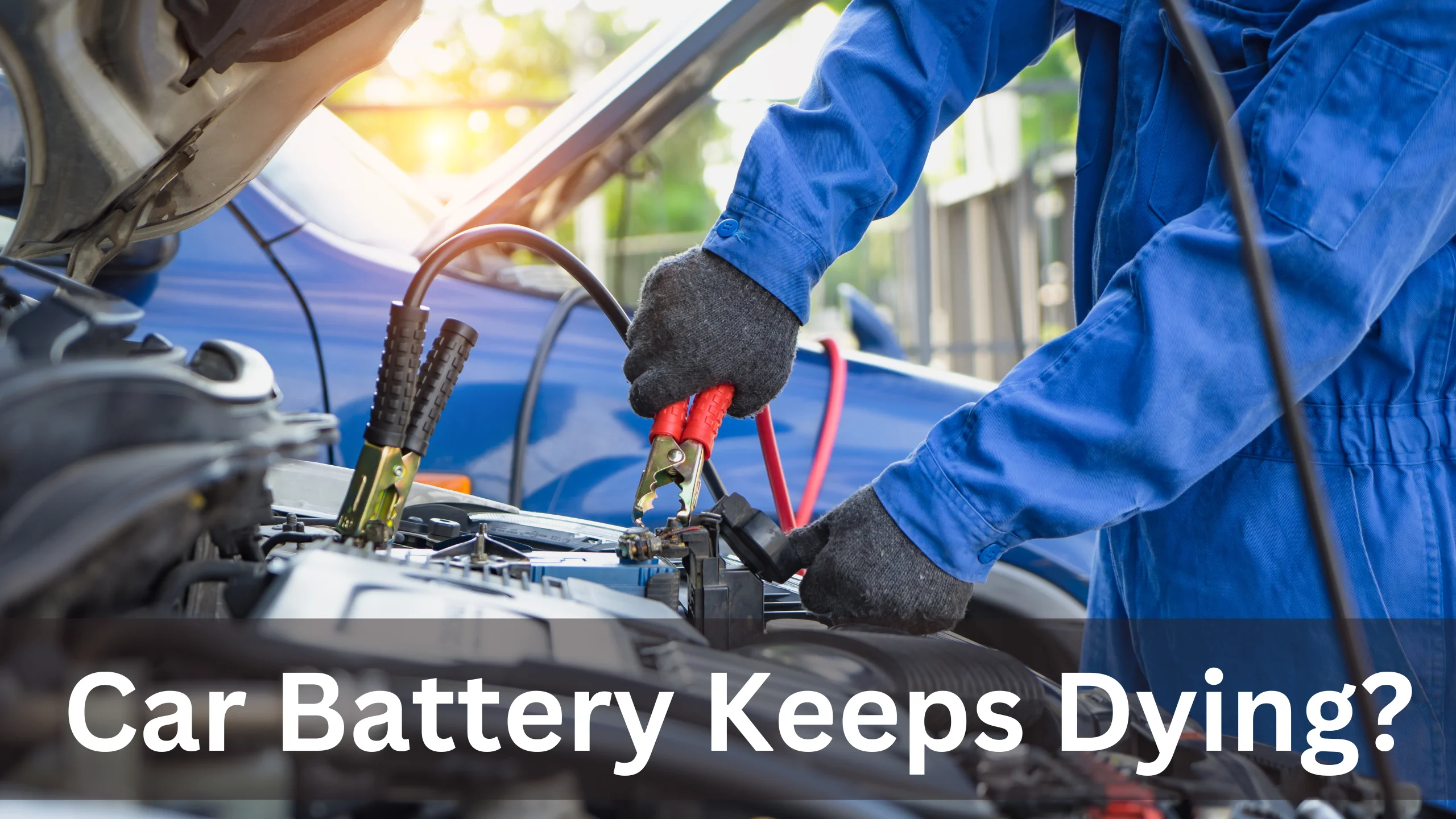
If your car has ever refused to start right when you needed it most, you know how frustrating a dead battery can be. Many people think replacing the battery will fix the problem for good, only to find themselves stranded again a few weeks later. The truth is, a dying car battery often points to deeper issues beyond the battery itself.
Why Does My Car Battery Keep Dying?
A car battery keeps dying when it can’t recharge properly or loses power faster than it should. This usually occurs due to an old battery, a faulty charging system, loose connections, or electrical drains when the car is turned off.
Common Reasons a Car Battery Keeps Dying
1. Old or Worn-Out Battery
A car battery isn’t meant to last forever. Most have a lifespan of 3 to 5 years, depending on usage, weather, and maintenance. As a battery ages, its internal plates corrode and lose the ability to hold a full charge. You may still get power to turn on the lights or radio, but the battery won’t have the strength to crank the engine.
Signs of an old battery include:
- Needing frequent jump-starts
- Slow engine cranking, especially in the morning
- Dim headlights even when the engine is running
- A swollen or cracked battery case
If your battery is already at the end of its service life, replacing it is the most straightforward fix. However, if a new battery still dies quickly, the real issue lies elsewhere.
2. Faulty Charging System
According to NREL, researchers are using lab evaluations, electrochemical & thermal data, and modeling to understand how the environment and cycling lead to battery degradation, and to predict when batteries will lose capacity. The battery’s main job is to start your car. After that, the alternator takes over, keeping the electrical system running and recharging the battery. If the alternator is weak or the voltage regulator isn’t doing its job, your battery won’t be replenished. A worn or slipping serpentine belt can also prevent the alternator from working properly.
Signs your charging system is faulty:
- The battery light on your dashboard comes on
- Headlights dim when the car is idling, but brighten when you rev the engine
- A whining or grinding noise under the hood
- The car stalls even with a new battery
A mechanic can test your alternator output with a multimeter. If the alternator can’t maintain around 13.5–14.5 volts while the engine is running, that’s a clear red flag.
3. Loose or Corroded Connections
Your battery requires solid, clean connections to function properly. Loose clamps or corrosion on the terminals act like roadblocks, preventing current from flowing efficiently. Corrosion often looks like white, blue, or green powder around the terminals.
Issues from bad connections include:
- The car won’t start even though the battery is charged
- Electrical components (like the radio or lights) flicker
- You hear a clicking sound instead of the engine cranking
A simple cleaning with a wire brush and tightening the clamps can often solve this problem. Always disconnect the negative cable first for safety.
4. Parasitic Battery Drain
Even when your car is off, small electrical systems like the clock, ECU, and alarm continue to draw tiny amounts of power. This is normal. But when something faulty continues to draw too much power, like a glovebox light that won’t shut off, a stuck relay, or aftermarket electronics, the battery gets drained overnight.
Signs of parasitic drain:
- The battery is dead after sitting overnight or for a couple of days
- You can’t find an obvious reason for the discharge
- You’ve ruled out the alternator and battery age
Testing for parasitic drain usually requires a mechanic or a multimeter to check how much current is being drawn when the car is off.
5. Driving Habits
Believe it or not, the way you drive can make a huge difference in battery health. Batteries need enough time during each trip to recharge. If you’re only making quick runs to the store or taking short commutes, the alternator never gets a chance to top off the battery.
Other habits that can drain the battery:
- Leaving headlights, interior lights, or hazard lights on
- Charging phones or using accessories with the engine off
- Not driving your car for extended periods, letting the battery discharge naturally
A good habit is to take your car for a longer drive occasionally, giving the alternator enough time to recharge the battery fully.
I learned this the hard way a few years ago. My car started dying almost every other morning, and I kept blaming the battery. I replaced it twice, thinking the new one would fix everything. But nothing changed. Finally, a mechanic checked for a parasitic drain and found a faulty trunk light that stayed on even when the trunk was closed. That tiny bulb was silently draining the battery overnight. Once it was fixed, the problem disappeared. That experience taught me that batteries often die because of hidden issues, not just because they’re old.
Environmental Factors That Kill Car Batteries
A car battery doesn’t live in isolation. Its health is heavily influenced by the environment around it, and certain conditions can shorten its lifespan even if the battery itself is brand new. Many drivers overlook this part, blaming the battery when in reality it is the surroundings that are accelerating the problem. Let’s explore the environmental factors that quietly wear down a car battery and why they matter so much.
The Impact of Extreme Heat
High temperatures are one of the fastest ways to weaken a car battery. When exposed to excessive heat, the liquid inside the battery begins to evaporate. This not only reduces the level of electrolyte but also leaves the internal plates exposed, causing them to corrode faster. Once corrosion sets in, the battery loses its ability to hold a proper charge.
Heat also increases the chemical activity inside the battery, which may sound like a good thing, but it actually accelerates the aging process. A battery that could last four years in a moderate climate may only survive two or three years in a hot environment. Drivers often notice their cars starting fine in the morning but struggling later in the day after sitting in the sun. That’s because the heat buildup under the hood magnifies the stress on the battery.
The Strain of Freezing Cold
Cold weather has the opposite effect. While heat destroys a battery over time, freezing temperatures reduce its immediate power output. A battery generates electricity through chemical reactions, and in extreme cold, those reactions slow down dramatically. A battery that normally produces enough power to start an engine may suddenly fall short on a frigid morning.
On top of that, cold weather thickens engine oil, which forces the starter motor to draw even more power from the already weakened battery. This double strain explains why so many cars fail to start in the middle of winter. If a battery is already old or weak, the cold may be the final push that makes it die completely.
Moisture and Corrosion
Humidity and moisture in the air can create another hidden enemy: corrosion. When moisture mixes with the chemicals around the battery terminals, it speeds up the formation of that powdery buildup many drivers notice. This corrosion blocks the flow of electricity between the battery and the rest of the car, making the vehicle harder to start and forcing the battery to work harder than it should.
Moisture also finds its way into electrical connections, wiring, and relays. Even a small amount of water inside the wrong place can create tiny electrical leaks, which slowly drain the battery when the car is parked. Over time, this silent drain adds up to a dead battery that seems to fail without explanation.
Fluctuating Temperatures
It’s not just heat or cold on their own that harm a battery. Rapid temperature changes are equally damaging. Imagine a car parked outside on a hot day and then exposed to cool night air. The constant expansion and contraction of battery materials caused by these swings weakens the case, the seals, and even the internal structure. Small cracks may form, leading to leaks and a gradual loss of efficiency. Drivers in regions with large day-night temperature differences often find their batteries wear out faster than expected.
Long Periods of Inactivity
Environmental factors also include how a car is used. A vehicle that sits unused for weeks at a time often faces battery issues even if the weather is mild. That’s because every car has small electrical systems, like the clock and computer, that draw tiny amounts of power around the clock. Normally, regular driving keeps the battery charged. But if the car stays idle, the charge level drops little by little until the battery can no longer start the engine. This process, known as self-discharge, happens more quickly in hot conditions, compounding the issue.
Pollution and Dust
While often overlooked, pollution and dust also affect battery performance. Dust particles mixed with humidity can create conductive paths on the surface of the battery. These tiny conductive bridges allow electricity to leak slowly, weakening the battery over time. Drivers in areas with high pollution levels or dusty roads may notice that their batteries fail sooner, especially if regular cleaning and maintenance are neglected.
The Bigger Picture
When a car battery dies repeatedly, it’s tempting to blame the part itself. But in many cases, the battery is only reacting to the environment it is forced to work in. Heat shortens its lifespan, cold reduces its strength, moisture accelerates corrosion, and inactivity drains its reserves. Even small amounts of dust or pollution can slowly steal its energy.
The lesson here is that a car battery must be protected as much as it is used. Parking in shaded areas during summer, driving the car regularly, keeping the terminals clean, and storing the vehicle in a dry place during long breaks all help extend its life. Paying attention to these environmental factors can often mean the difference between a battery that lasts just two years and one that gives reliable service for five or more.
Signs Your Battery Is Dying
A car battery rarely fails out of the blue. In most cases, it gives off early warning signs that many drivers overlook. Paying attention to these signals can help you avoid being stranded with a car that won’t start. Here are the most common signs that your battery may be on its last legs.
Slow or Weak Engine Crank
- When you turn the key, the engine turns over more slowly than usual.
- You may hear the starter struggling, especially first thing in the morning.
- This happens because the battery no longer has the strength to deliver the necessary burst of power.
Dim Lights and Electrical Issues
- Headlights, dashboard lights, and interior lights appear weaker.
- Power windows, radios, or other electrical features may work inconsistently.
- Dimming lights are a clear indicator that the battery is struggling to supply enough energy.
Dashboard Warning Lights
- Modern vehicles are equipped with a battery or charging system warning light.
- If this light appears, it may not always mean the battery itself is bad; it could signal an alternator issue.
- Ignoring this light often leads to sudden breakdowns.
Clicking Sound When Starting
- If the engine doesn’t crank but you hear a rapid clicking sound, it often means the battery doesn’t have enough voltage to engage the starter motor.
- This is a classic sign of a dying battery that needs immediate attention.
Visible Signs of Damage
- A swollen, bloated, or cracked battery casing is a sign of heat damage.
- Corrosion around the terminal blocks the flow of electricity.
- Leaking fluid is another major red flag that the battery is at the end of its life.
Quick Reference Table: Signs of a Weak Battery
| Sign | What It Means | Action to Take |
| Slow cranking engine | The battery can’t supply enough starting power | Test battery voltage, consider replacement |
| Dim lights/electrical issues | Insufficient charge available | Check alternator and battery health |
| Battery warning light | A charging system issue is possible | Have both the alternator and battery tested |
| Clicking sound on start | Low-voltage reaching starter | Recharge or replace the battery |
| Swollen or corroded battery | Environmental damage or age | Clean terminals or replace the battery |
Catching these signs early allows you to act before the battery leaves you stranded. A simple inspection or a free battery test at a local auto shop can confirm whether you need a replacement or if another issue is draining the charge.
How to Diagnose the Problem Yourself
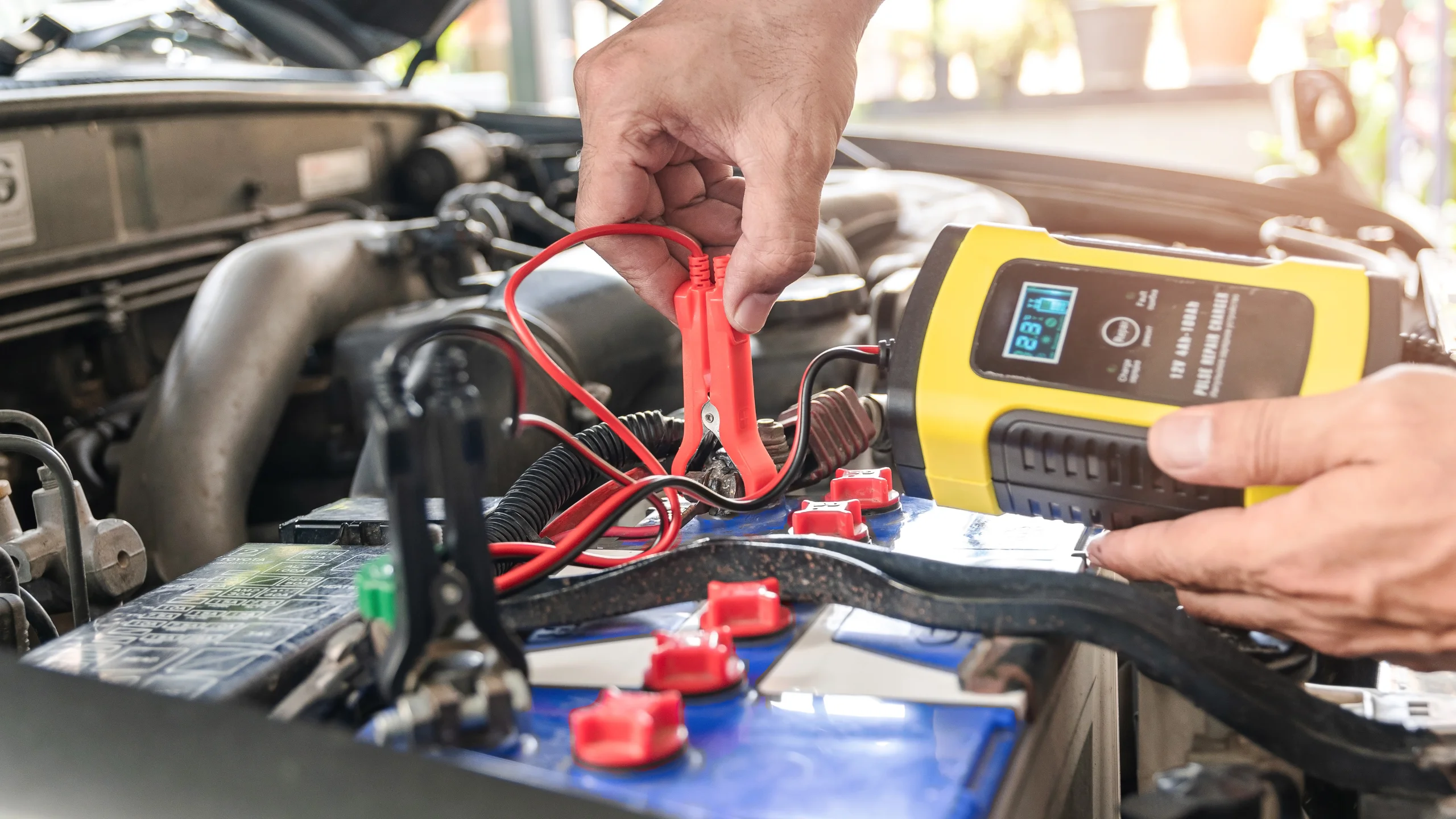
When your car battery keeps dying, the first instinct is often to assume the battery itself is faulty. While that is sometimes true, many times the issue lies elsewhere in the electrical or charging system. The good news is that you don’t always need a mechanic right away. With a few careful checks, you can figure out whether the problem is a weak battery, a faulty alternator, or even something as simple as loose connections. Taking the time to investigate at home can not only save you money but also give you confidence when talking to a professional if the issue turns out to be more complicated.
Checking the Battery Age and Condition
The easiest place to start is by checking how old your battery is. Every battery comes with a manufacturer’s date printed on it, usually on the label or stamped into the case. Most car batteries last about three to five years, depending on usage and environmental conditions. If your battery is already older than that, chances are it is reaching the end of its life. A worn-out battery struggles to hold a charge, even when the alternator is working perfectly. You should also inspect the physical condition of the battery. A swollen case, leaking fluid, or cracked housing is a clear sign that replacement is necessary. Ignoring these symptoms can lead to sudden failure at the worst possible time.
Performing a Voltage Test
The next step is to test the voltage of the battery. This requires a multimeter, which is a small tool that measures electrical values. With the engine turned off, place the probes on the battery terminals. A fully charged battery should read around 12.6 volts. If the reading is significantly lower, the battery may be weak or partially discharged. Then, start the engine and test again. The reading should now be between 13.5 and 14.5 volts. If it remains low, the alternator may not be recharging the battery properly. This simple test helps you determine whether the battery itself is the culprit or if the charging system is failing.
Inspecting the Connections
Even if your battery and alternator are healthy, loose or corroded connections can mimic the symptoms of a dead battery. Pop the hood and take a close look at the battery terminals. If you see white or green powdery buildup around the clamps, that is corrosion interfering with the flow of electricity. Sometimes, the clamps themselves become loose from vibration or poor installation. In both cases, your car may fail to start or struggle to crank. Cleaning the terminals with a wire brush and tightening the clamps often solves the problem immediately. This step is quick, inexpensive, and often overlooked.
Looking for Parasitic Drain
If your car’s battery dies overnight or after just a few days of sitting idle, you may be dealing with a parasitic drain. Modern vehicles have small systems, like the clock and computer, that draw tiny amounts of power even when the car is off. This is normal. The problem comes when something faulty, such as a stuck relay, a glovebox light that won’t shut off, or aftermarket electronics, draws more power than it should. Detecting this usually requires a multimeter to measure the current draw, but even without one, you can sometimes spot the issue by checking for lights or accessories that remain on when they shouldn’t.
Evaluating the Alternator
One of the most common causes of a repeatedly dead battery is a failing alternator. The alternator is what charges the battery while the engine is running. If it stops working, the battery has to power everything on its own until it eventually runs out of energy. Signs of a bad alternator include dimming lights while driving, strange noises from under the hood, or a warning light on the dashboard. Using a multimeter, you can confirm whether the alternator is producing enough voltage. If the reading is below 13.5 volts with the engine running, the alternator likely needs repair or replacement.
Considering Your Driving Habits
Finally, take an honest look at how you use your car. If most of your trips are short, say, ten minutes or less, the alternator doesn’t have enough time to fully recharge the battery. Over time, this leads to a cycle of partial charging and early battery failure. Similarly, if you leave the car unused for long stretches, the natural self-discharge of the battery, combined with small electrical draws, will eventually drain it. In these cases, the battery itself may not be defective. Instead, your driving habits are the reason it keeps dying. Taking your car on a longer drive every week or using a battery maintainer during periods of inactivity can make a big difference.
In the end, diagnosing a dying battery is about being thorough. By checking the age and condition of the battery, testing voltage, inspecting connections, watching for parasitic drains, evaluating the alternator, and considering your driving habits, you can usually pinpoint the problem without guesswork. Doing this groundwork yourself ensures you don’t waste money replacing a battery when the real culprit is something else entirely.
When to Repair vs. Replace
One of the most common questions drivers face when a battery keeps dying is whether it makes sense to repair the issue or replace the battery altogether. The answer depends on what’s causing the problem.
If your battery is less than three years old and shows no signs of swelling or leaking, the issue may not be the battery itself. In these cases, repair makes sense. Cleaning the terminals, tightening the clamps, or replacing a faulty alternator can restore normal function without the need for a new battery. Similarly, fixing a parasitic drain, such as a stuck relay or faulty light switch, often brings the system back to life.
On the other hand, if the battery is more than four years old, replacement is usually the smarter move. By this stage, internal wear has reduced its ability to hold a charge, and even small stresses like cold weather or short trips can leave you stranded. Investing in a new battery provides reliability and peace of mind.
Cost also plays a role in this decision. A typical new battery ranges from $100 to $250, depending on type and brand. Alternator repairs can be more expensive, often between $300 and $600, but if the alternator is the issue, skipping the repair will only kill any new battery you install. Balancing the age of the battery, the condition of the charging system, and your budget will guide you toward the best choice.
Preventing Your Battery from Dying Again
Once you’ve solved the immediate issue, the next step is prevention. A few simple habits can extend the life of your car battery and reduce the chances of future breakdowns.
Driving longer trips at least once a week allows the alternator to fully recharge the battery. If your driving consists mostly of short errands, the battery may never get topped off, leading to premature failure. Another good habit is to keep the battery terminals clean. Corrosion builds up over time and restricts current flow, forcing the battery to work harder than it should. A quick clean with a wire brush every few months makes a noticeable difference.
Protecting your battery from extreme temperatures is equally important. In hot climates, park in shaded areas when possible. In cold regions, using a garage or even a battery blanket can prevent the battery from freezing and losing its ability to deliver power. If you don’t drive your vehicle often, consider investing in a battery maintainer or trickle charger. These small devices keep your battery at the right charge level without overcharging it, making them ideal for vehicles that sit for long periods.
By combining better driving habits, regular maintenance, and environmental protection, you can extend the life of your car battery and avoid repeated failures.
Local Help and Professional Testing
Even though many checks can be done at home, sometimes professional testing is the best option. Auto shops often provide free battery tests using specialized equipment that can measure not only the voltage but also the internal resistance and cold cranking amps of the battery. These tests reveal whether the battery still has enough strength to handle real-world conditions.
Professional testing also includes checking the alternator, voltage regulator, and electrical system for hidden problems. While this service may not always be free, it saves you from the frustration of replacing parts blindly. If the battery tests fine but the alternator is weak, you’ll know exactly what needs fixing.
Most auto shops also carry a wide selection of replacement batteries. Choosing the right type matters; standard lead-acid, absorbed glass mat (AGM), and enhanced flooded batteries (EFB) each serve different needs. AGM batteries, for example, last longer and handle high electrical loads better, making them a good choice for modern vehicles with many electronic features. Professional guidance ensures you pick the best match for your car and driving habits.
Final Thoughts
A car battery that keeps dying is more than just an inconvenience; it’s a signal that something in your vehicle needs attention. Sometimes it’s as simple as an old battery, loose connections, or leaving lights on. Other times, it’s a deeper issue like a failing alternator or hidden electrical drain. By understanding the causes, recognizing the warning signs, and taking preventive steps, you can save yourself from surprise breakdowns and costly repairs. A little care and regular checks go a long way in keeping your battery strong and your car reliable.
Need Expert Help With Your Car Battery?
If your car battery keeps dying and you’re not sure whether it needs repair or replacement, let a trusted professional take a look. At Brian’s Tire & Service in Huntsville, AL, you’ll find expert technicians who can test your battery, inspect your charging system, and get you back on the road with confidence.
Check out their full list of services here and schedule an appointment today. Don’t wait until you’re stranded; get your battery checked by the local team that drivers in Huntsville rely on.
FAQs
How long should a car battery last?
On average, a car battery lasts 3 to 5 years. The exact lifespan depends on driving habits, weather conditions, and maintenance. Batteries in hot climates tend to wear out faster because heat accelerates internal corrosion, while cold climates put extra strain on the battery during starts. Regular testing helps you know when it’s time to replace.
Can a weak alternator drain a new battery?
Yes, it can. The alternator is responsible for recharging the battery while the car is running. If it fails, the battery is forced to power everything on its own, which quickly drains even a brand-new battery. That’s why testing the alternator is just as important as checking the battery itself.
Why does my battery die overnight but seem fine during the day?
This usually points to a parasitic drain. Some component in your vehicle, like a light, relay, or aftermarket accessory, may be pulling power even when the car is off. During the day, you may drive enough to recharge it, but overnight, the drain can leave the battery too weak to start.
Do short trips really harm a car battery?
Yes, they do. Short trips don’t give the alternator enough time to fully recharge the battery. Over time, this cycle of partial charging reduces the battery’s overall capacity. Taking your car for longer drives occasionally helps prevent this issue.
Is it better to recharge or replace a weak battery?
It depends on the age and condition of the battery. If the battery is fairly new and just drained by leaving lights on, recharging may bring it back to life. But if the battery is older than 4 years or fails a load test, replacing it is usually the smarter move.