
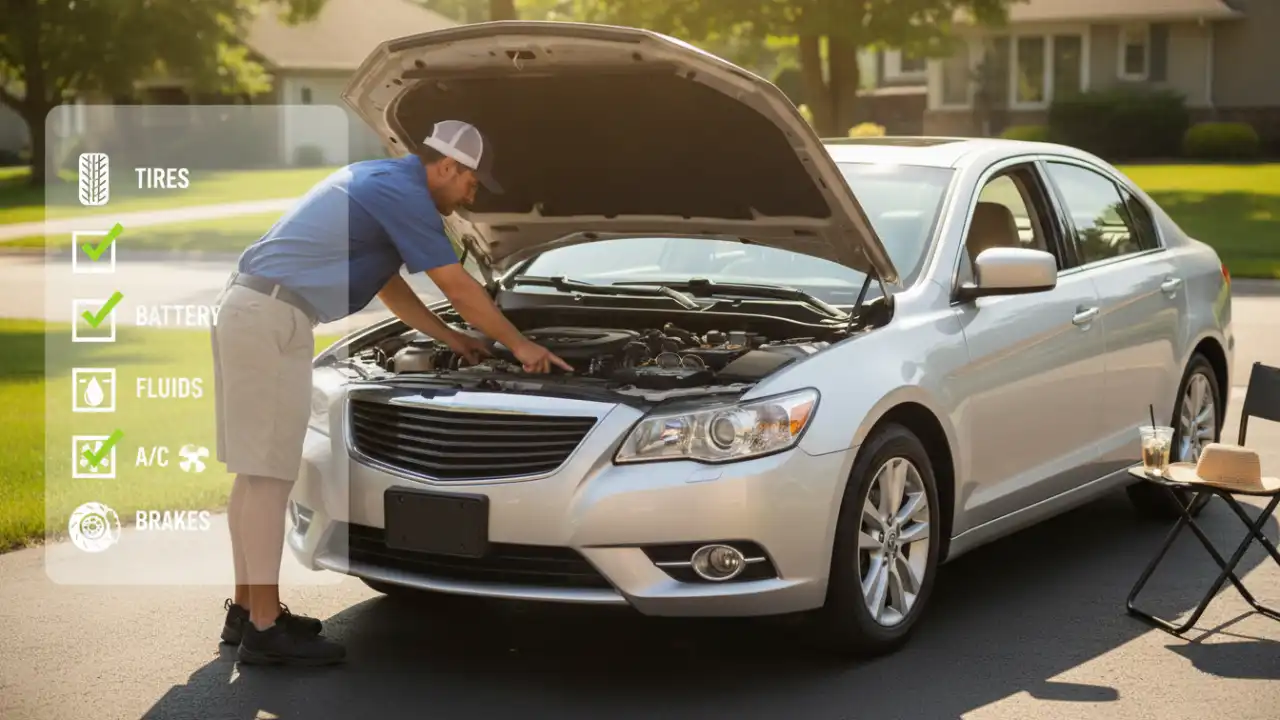
Summer’s coming fast. That means heat, long drives, and maybe even a road trip or two. But before you turn up the music and hit the road, there’s one thing you should do first: make sure your vehicle is ready. Trust me, skipping a basic check could cost you way more than a couple of hours at the shop. Let’s get ahead of the problems so your summer drives stay smooth.
Vehicle Maintenance Checklist
Before you hit the road this summer, it’s smart to give your car a quick check-up. A few simple inspections now can prevent breakdowns, keep your A/C blowing cold, and make sure your tires and brakes are safe for long drives. Use this quick checklist to stay ahead of common summer car problems:
Quick Summer Vehicle Maintenance Checklist
-
Check coolant level & inspect hoses for leaks or cracks
-
Test A/C performance and replace the cabin air filter
-
Inspect tires for pressure, tread depth, cracks, or bulges
-
Check wheel alignment & tire balance for smooth driving
-
Test battery health and clean any corrosion on terminals
-
Inspect essential fluids: engine oil, brake fluid, transmission fluid, power steering, washer fluid
-
Replace the engine air filter if it is dirty or clogged
-
Check brakes for squeaks, vibration, or soft pedal feel
Why Early Summer Vehicle Prep Matters
Let me tell you something that stuck with me. A few years ago, I skipped my regular car check before a summer road trip. Halfway through the drive, the A/C stopped working. We were stuck in traffic, in the middle of a heatwave, with no cool air. The kids were sweating, I was stressed, and by the time we reached the next town, my engine was overheating too. One small thing turned the whole trip into a mess. That’s when I learned , summer heat is no joke for your car.
Now, let’s break down why early summer prep really matters.
Heat puts extra pressure on your vehicle.
When the weather heats up, every part of your car works harder. The engine runs hotter, your battery drains faster, and your cooling system has to work overtime to keep things steady. If your coolant levels are low or a hose is cracked, your engine could overheat fast , and that’s not something you want to deal with on the side of the road.
Summer is the travel season.
Whether you’re planning long road trips or just more errands around town, summer usually means more time behind the wheel. And the more you drive, the more wear and tear your vehicle gets. That’s why checking things like tire pressure, brake condition, and oil level before summer begins can help you avoid problems later.
Some problems take time to fix.
If a part needs to be ordered or your A/C system needs a deeper repair, it’s better to find out now than when shops are busier in mid-summer. Getting in early means you’re not waiting days for a fix, and you’re not driving around in a car that’s only half-working.
Prevention is always cheaper than repair.
Fixing a small leak in your cooling system is a lot cheaper than replacing a blown radiator. Replacing worn brake pads is cheaper than dealing with damaged rotors. A summer check-up catches these things early, before they cost you more.
So if you’re thinking, “My car’s fine, I’ll wait,” trust me, I said that once, and it didn’t go well. Taking just one afternoon to do a proper vehicle maintenance checklist can save your whole summer from going off track.
Cooling & A/C Systems: Beat the Heat Before It Beats You
When the weather starts heating up, your car’s cooling system and A/C become more than just nice to have; they’re your first line of defense against breakdowns and sweaty drives. If these systems fail in the middle of summer traffic, you’ll feel it fast. That’s why it’s smart to get them checked and serviced before the heat really kicks in.
What the Cooling System Does (And Why It Matters)
Your cooling system keeps your engine from overheating. It moves coolant through the engine and radiator, taking heat away so the engine can keep running safely. If any part of this system isn’t working, like if the radiator is blocked, the hoses are cracked, or the coolant level is too low, things can go wrong quickly. High engine heat can lead to serious damage, and fixing a failed engine isn’t cheap.
The radiator, water pump, thermostat, and hoses all work together to keep things cool under the hood. If any one of these parts has a problem, the whole system suffers. You might not notice right away, but as summer heat rises, small issues can turn into big ones fast.
How the A/C System Keeps You Comfortable
The A/C system in your car does more than just blow cold air. It’s made up of several parts, including the compressor, condenser, refrigerant, and cabin air filter. When these parts work together, they remove hot air from inside the car and cool it down before blowing it through the vents.
If your A/C isn’t blowing as cold as it used to, it could be low on refrigerant or have a worn-out compressor. A dirty cabin air filter can also make the air weaker or smell stale. These are all things that a mechanic can check during a pre-summer service.
A common sign that your A/C system is struggling? It takes forever to cool the car, or the air stops getting cold altogether when the car idles. That’s often a clue that the compressor is worn or the refrigerant level is too low.
Why Summer Makes These Problems Worse
Heat makes everything work harder. When outside temperatures climb, your engine and A/C system both have to push harder to stay cool. Even a small crack in a coolant hose or a small leak in the A/C line becomes a big deal in 90+ degree weather.
Another thing to remember: during summer, you’ll likely sit in traffic more often. This means less airflow through the radiator while the engine is running hot. If the cooling fan isn’t working right or the coolant is low, the engine might start to overheat. That’s a stressful situation no one wants.
How Early Service Helps
Getting your cooling and A/C systems checked before summer lets you fix small issues before they become big ones. A mechanic can flush the coolant, check hose pressure, test for leaks, and replace any parts that are worn out. For the A/C system, they can recharge the refrigerant, change the cabin filter, and make sure the airflow is strong and clean. According to the National Highway Traffic Safety Administration (NHTSA), you should check your cooling system for leaks, test the coolant, and replace old coolant before summer heat intensifies.
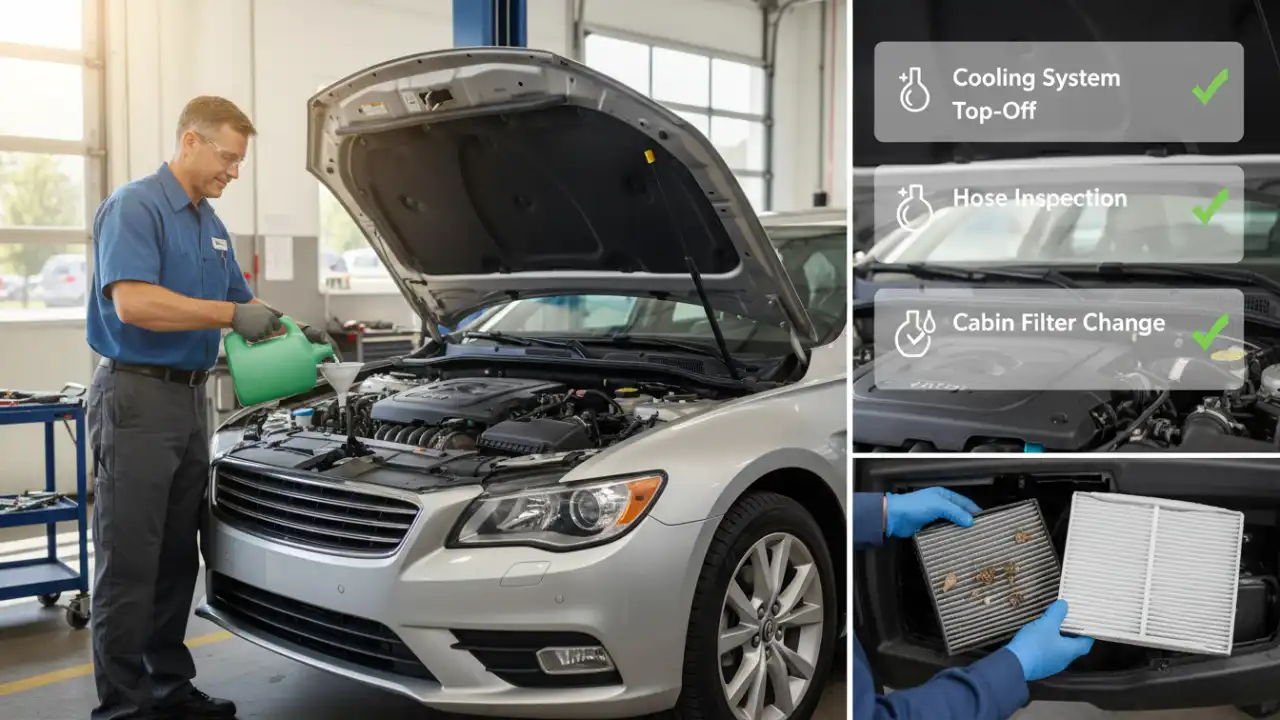
Even if your car seems fine, don’t wait until something breaks. Heat makes small problems worse, and by the time you notice, it might be too late for a quick fix. Early checks save time, stress, and money down the line.
If you want a smooth, cool ride all summer, take care of your cooling and A/C system now. You’ll be glad you did when the temperature rises and everyone else is sweating through long drives and hot parking lots.
Tires, Alignment & Road-Trip Readiness
Your tires are the only part of your car that touch the road, so if they’re not in good shape, nothing else matters. Summer heat, extra road trips, and uneven roads can wear them out fast. That’s why this part of your vehicle maintenance checklist is so important.
Why Tire Pressure Changes in Heat
When the weather gets hotter, the air inside your tires expands. This raises the tire pressure, which might sound okay , but too much pressure can make your tires stiff, reduce grip, and increase the risk of a blowout. On the flip side, under-inflated tires can make your car feel slow and unsafe.
Tip: Every 10°F temperature increase can raise tire pressure by about 1–2 PSI. That’s why checking and adjusting it before a heatwave is smart.
Signs Your Tires Need Attention
Here are some easy things to check:
- Tread depth: Worn-out tread means less grip, especially on wet roads.
- Cracks or bulges: These show damage from potholes or aging rubber.
- Uneven wear: If one side of the tire looks more worn than the other, your alignment might be off.
- Vibration: Feeling a shake while driving? It could mean the tires are out of balance.
If any of these show up, it’s time to visit a tire shop before heading into the summer heat.
Why Alignment and Balancing Matter
Proper wheel alignment helps your tires wear evenly and keeps your car driving straight. If your alignment is off, you might notice your steering wheel pulling to one side or your tires wearing out faster on one edge. Balancing helps prevent vibration and gives a smoother ride.
Both of these are often missed during quick checks, but they make a big difference in how your car handles, especially on long trips.
Quick Tire Health Table
| Item to Check | What It Means | What to Do if It’s Off |
| Tire Pressure | Affects handling, safety, and wear | Inflate or deflate to spec |
| Tread Depth | Impacts traction and braking | Replace if below 2/32” depth |
| Uneven Wear | Sign of alignment or balance issue | Schedule alignment check |
| Cracks/Bulges | Can lead to blowouts | Replace tire immediately |
| Vibration | May indicate poor balance or damage | Get tires balanced or rotated |
Staying on top of tire care not only keeps you safer, but it also saves money by making your tires last longer.
Battery & Electrical Health for Hot Weather
Your car’s battery works harder in the summer than most people think. While winter often gets the blame for battery problems, hot weather can actually cause more damage, just in a quieter way. That’s why it’s smart to check your battery and electrical system before summer really sets in.
How Heat Affects Your Battery
Heat speeds up the chemical reactions inside your car battery, which might sound like a good thing. But in reality, it causes the battery to wear out faster. High temperatures can also evaporate battery fluid, damage internal parts, and weaken its charge, even if the car starts fine for now.
Here’s what can happen when a battery starts to fail:
- Slow engine start: The engine cranks longer than usual.
- Dim headlights: Lights may flicker or seem weaker.
- Dashboard warning light: Often, the battery icon pops up.
- Clicking sounds: When you try to start the car, but it struggles.
Key Electrical Parts to Check
The electrical system does more than just power the radio. It runs your ignition, lighting, A/C system, and charging functions, and in the summer, all of these work harder.
Here’s what to check during a summer prep:
- Battery terminals: Make sure they’re clean and free of corrosion.
- Battery age: Most batteries last 3–5 years. If yours is older, get it tested.
- Alternator: This charges your battery while the car runs. If it’s weak, your battery may drain.
- Drive belts: If they’re loose or worn, the alternator won’t work right.
Simple Checks That Make a Big Difference
You don’t always need special tools to spot battery trouble. Here are a few things you can do at home or have a shop check in minutes:
- Look for white powder or corrosion on battery terminals.
- Check if the battery case looks swollen; heat can cause this.
- Make sure the cables are tight and secure.
- If your car’s been slow to start lately, ask for a quick battery load test.
Catching battery problems early can save you from being stuck in a parking lot with a dead engine and no shade in sight. And trust me, that’s not a fun place to be when it’s 95 degrees outside.
Fluids, Filters & Engine Longevity
Your engine is like the heart of your car, and just like your body needs water and clean air to stay healthy, your car needs the right fluids and filters to keep running smoothly, especially when summer heat pushes everything to the limit. If you ignore these basics, small problems can turn into big, expensive ones before you know it.
Why Fluids Matter in Summer
Fluids are what keep your car cool, moving, and under control. The most important one during summer is coolant, also known as antifreeze. It stops your engine from getting too hot. If the level is low or the mix isn’t right, your engine could overheat fast, especially in stop-and-go traffic or while driving uphill.
Engine oil is another key player. It keeps parts inside your engine moving smoothly and stops them from rubbing together and wearing out. Hot weather can thin out oil quickly, making it less effective. That’s why an oil change before summer is a smart move, even if you’re not due for one yet.
You also need to think about brake fluid, transmission fluid, power steering fluid, and windshield washer fluid. Each one plays a role in how your car handles, stops, and stays clean, and they all get stressed in warm weather.
How Filters Keep the System Clean
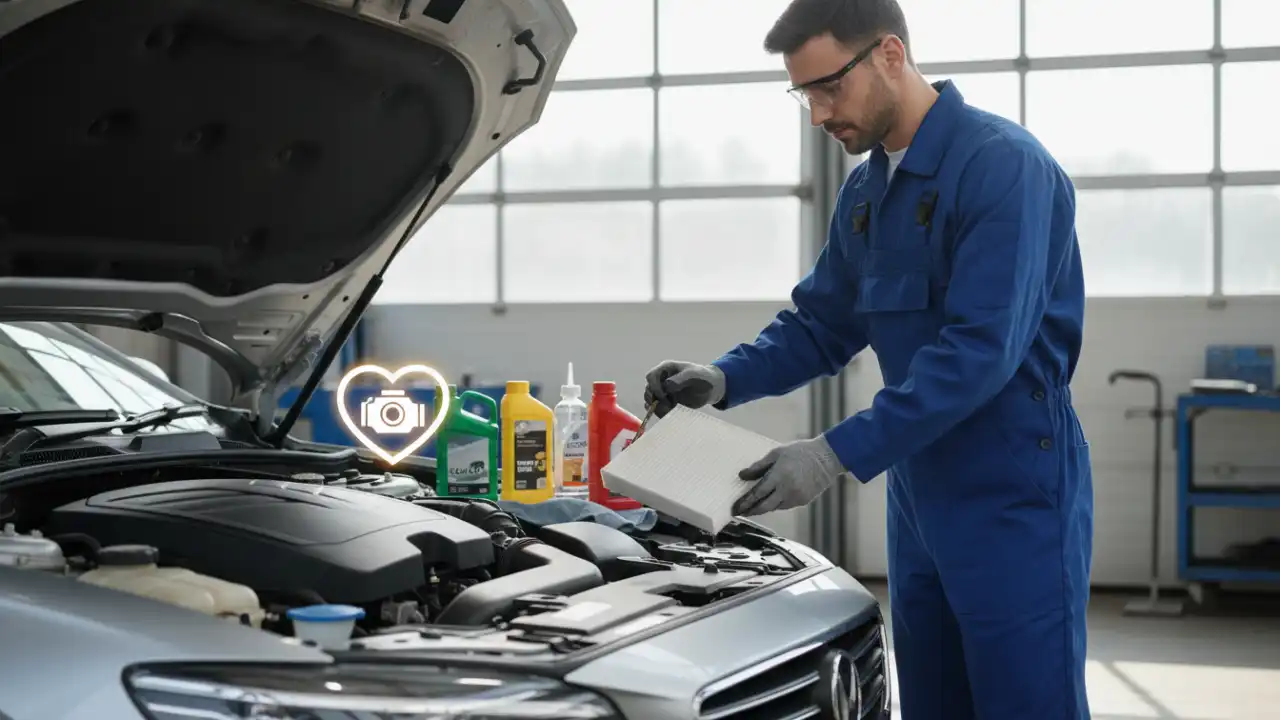
Filters work quietly in the background, but they protect your engine and air systems from dirt and damage. The engine air filter stops dust and grime from getting into your engine. A clogged filter makes your car work harder and can lower fuel mileage. Replacing it is quick and cheap, and it helps your engine breathe better.
Your cabin air filter is just as important to you. It keeps the air inside your car clean and helps your A/C blow stronger and fresher. If it’s dirty, you might notice a bad smell or weak airflow from the vents. Replacing it before summer can make a big difference, especially if you drive with the windows up and the A/C running.
Why Early Checks Save You Trouble
By checking your fluids and filters early, you can catch leaks, dirty parts, or low levels before they cause real damage. These are simple services that many people skip, but they often lead to the most common summer breakdowns. Don’t wait until your engine gets noisy, your brakes feel soft, or your A/C loses its cool. A few small fixes now can keep your car running smoothly and stress-free all summer.
Final Thoughts
Summer driving should feel easy and fun, not stressful or risky. A little prep now, using a solid vehicle maintenance checklist, can save you from breakdowns, overheated engines, or worn-out tires when the sun is blazing. Think of it like packing sunscreen for your car. Quick checks, early fixes, and a smooth ride all season long? That’s the goal. So take a little time now , your future self will thank you on the road.
Ready for a Worry-Free Summer Drive?
If you’re not sure where to start or just want a pro to handle it, we’ve got you covered. At Brian’s Tire & Service, our friendly team knows exactly what your car needs to stay cool, safe, and road-ready all summer long.
Book your summer maintenance check now
FAQs
When should I check my car before summer starts?
It’s best to do a full vehicle maintenance checklist in late spring, before the first heat wave. This gives you time to fix anything early and avoid the summer rush at service centers.
How often should I check tire pressure in hot weather?
Check your tire pressure at least once a month during the summer. Hot pavement and rising temperatures can change pressure fast, which can lead to blowouts or uneven wear.
My A/C still blows cold. Do I really need to check it?
Yes. Even if your A/C feels okay now, parts like the compressor, refrigerant level, and cabin air filter can still wear out or leak. Early checks help you avoid surprise failures.
Can heat really kill a car battery?
Yes, high heat speeds up chemical wear inside your car battery, even if it seems fine. Summer is actually harder on batteries than winter. If your battery is more than three years old, get it tested.
Is a coolant flush necessary every summer?
Not always, but it depends on your last service. If it’s been over two years or you notice a cooling system issue, it’s smart to flush the coolant and replace it with fresh fluid.