
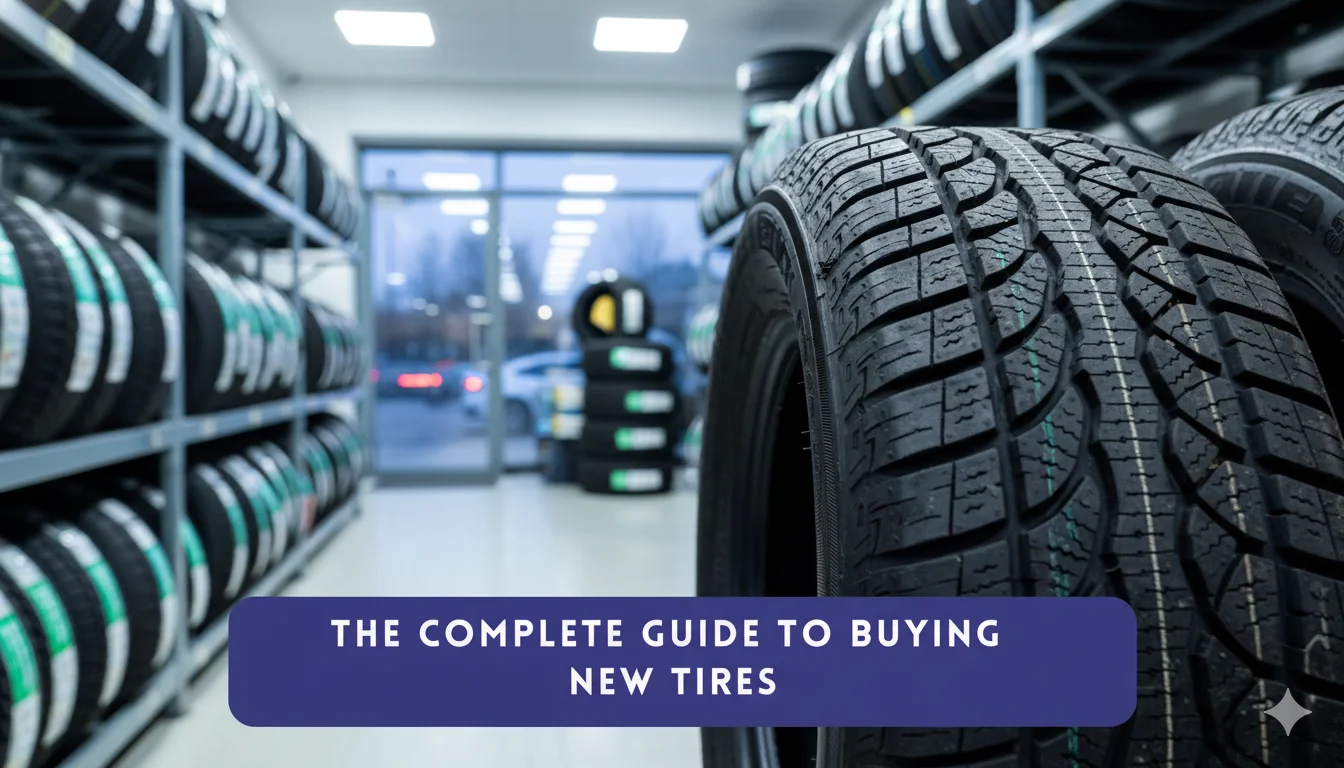
When was the last time you really looked at your tires? Most of us drive every day without giving it much thought, until something goes wrong. But your tires are the only part of your car that actually touches the road, and keeping them in good shape can make the difference between a smooth ride and a scary moment. If you’re planning to buy new tires soon, this guide will help you understand exactly what to look for and how to make a smart choice without wasting money.
Buy New Tires
Buying new tires isn’t as simple as grabbing the first set that fits your car. You need to think about your driving habits, the weather, and the kind of vehicle you own. The right tires improve safety, comfort, and fuel efficiency, while the wrong ones can wear out faster or hurt your gas mileage. In short, choosing wisely helps your car perform better and keeps you safer on the road.
When It’s Time to Replace Your Tires
According to the National Highway Traffic Safety Administration (NHTSA), some vehicle and tire manufacturers recommend replacing tires that are six to ten years old, regardless of remaining tread. Most people wait until their tires look completely bald before replacing them, but that’s a risky move. Tires wear out slowly, and by the time you notice a problem, it’s often too late. You should start checking for signs of wear long before your tires fail.
The simplest test is the penny test. Take a penny and place it in one of the tread grooves with Lincoln’s head facing down. If you can see the top of his head, your tread is too low, and it’s time for new tires. Another sign is uneven wear; if one side of the tire looks smoother than the other, it could mean your wheels are out of alignment. You might also feel vibration in the steering wheel or hear a soft humming sound as you drive, both of which can signal tire problems.
Now, let me share a quick story. A few years ago, I ignored a small vibration in my car for months. It didn’t seem like a big deal, just a slight wobble on the highway. But when I finally took it in, the mechanic showed me that one tire had worn so thin on the inside edge that it was almost down to the metal cords. I was one long trip away from a blowout. That lesson stuck with me: tires may look fine at a glance, but small changes in feel or sound often mean trouble underneath.
Experts recommend replacing your tires every six years or around 60,000 miles, even if they still appear okay. Rubber hardens over time, reducing grip, especially in wet conditions. Regularly checking tread depth, sidewalls for cracks, and keeping your tires properly inflated helps extend their life and keep you safe.
So, before you assume your tires are fine, give them a proper look, or better yet, ask a professional to check them. It’s a simple step that can save you money and peace of mind later on.
Choosing the Right Tires for Your Vehicle
Finding the right tires can feel overwhelming when there are so many options out there, with different tread patterns, sizes, speed ratings, and warranties. But once you understand a few simple principles, it’s actually not as hard as it seems. The best tires are the ones that match your vehicle type, driving style, and daily needs. Let’s break it down clearly so you can make a confident decision without getting lost in technical terms.
Understanding Tire Types
Every driver has different priorities. Some care about comfort, others want long-lasting durability, and a few chase that sporty feel on the road. The most common type you’ll see is the all-season tire. It’s made for everyday driving, quiet, smooth, and reliable in most weather. If you live in a place with mild weather year-round, these are usually all you need.
Then there are performance tires, which are designed for cars that handle tighter turns or drive at higher speeds. These grip the road better and offer sharper steering, but they wear out faster because of their softer rubber. On the other hand, touring tires give you a mix of comfort and long tread life, great for people who do a lot of highway driving.
If you drive a truck or SUV, all-terrain or mud-terrain tires may be better options. They’re tougher, with deeper tread patterns that handle rough surfaces like gravel, mud, or light off-road trails. For drivers in areas that get snow or icy conditions, winter tires with deeper grooves and special rubber compounds offer more traction and safety when temperatures drop below 45°F.
Matching the Right Size
Before buying, always check your tire’s sidewall for the size marking, something like P215/60R16. It might look like random numbers, but it tells you everything:
- “P” means passenger tire.
- “215” is the width in millimeters.
- “60” shows the sidewall height as a percentage of width.
- “R16” means it fits a 16-inch wheel.
Stick to your car manufacturer’s recommended size. Bigger or smaller tires can affect how your speedometer reads, how your car handles, and even how your suspension wears. It’s tempting to go for flashy oversized tires, but they can actually make your ride rougher and reduce fuel efficiency.
Understanding Tire Ratings and Labels
Tires come with a lot of ratings printed right on them, things like UTQG, treadwear, traction, and temperature. These aren’t just random numbers. The treadwear rating compares how long a tire lasts compared to a control tire. For example, a rating of 400 means it should last about four times longer than the standard test tire.
Traction ratings (AA, A, B, or C) measure grip on wet roads. The higher, the better. Temperature ratings (A, B, C) show how well a tire resists heat buildup. A tire rated “A” is the safest for long highway trips or hot weather.
You’ll also see a speed rating, marked by letters like H, V, or W. It shows the top speed the tire can safely handle. For everyday driving, an H-rated tire is usually enough.
Balancing Cost and Quality
It’s natural to look for the best deal, but cheaper tires aren’t always cheaper in the long run. A low-cost tire may wear out faster or give you a rougher ride. Higher-quality brands like Michelin, Goodyear, Continental, or Bridgestone often last longer and come with better warranties. Think of it as paying a little more now to save more later.
At the same time, not everyone needs top-of-the-line tires. Mid-range brands such as Cooper, Kumho, or Hankook can deliver great performance for a reasonable price. The key is matching the tire’s strengths to your needs, not just chasing a brand name.
What to Expect When Buying Tires
Buying new tires can feel like a big task, but once you know what happens during the process, it becomes simple and stress-free. Whether you’re visiting a local shop or ordering online, every tire purchase usually follows the same steps. Understanding them helps you know what to ask for and what to check before driving away.
Step-by-Step Buying Process
- Tire Inspection:
A technician will look at your current tires to check tread wear, alignment, and overall condition. Sometimes, only two tires need replacing, not all four.
- Selecting the Tires:
Based on your car’s size, your driving habits, and your budget, the shop will suggest the best options. This includes choosing between all-season, touring, or performance tires, and deciding on a brand that balances quality and cost.
- Mounting and Balancing:
Once you’ve chosen your tires, they’ll be mounted onto the rims and balanced to ensure even weight distribution. Balancing helps prevent vibrations and uneven tread wear.
- Wheel Alignment Check:
After new tires are installed, a good shop will recommend checking alignment. Proper alignment makes sure your car drives straight and your tires wear evenly.
- Tire Pressure and Safety Check:
Technicians inflate each tire to the correct pressure, then inspect the valve stems and lugs for tightness and safety.
- Test Drive or Final Review:
Many shops will take your car for a quick spin or ask you to test it to confirm the tires feel right.
What You’ll Typically Pay For
Here’s a simple example of what typical tire-related services cost, though prices vary by shop and brand:
| Service | Average Price Range (per tire) | Included In Purchase? |
| New Tire (Standard Car) | $70 – $130 | Yes |
| Mounting & Balancing | $15 – $25 | Often Included |
| Wheel Alignment (4-wheel) | $90 – $120 | Sometimes Extra |
| Tire Disposal Fee | $2 – $5 | Sometimes Extra |
Tips for a Smooth Purchase
- Ask about warranties: Many brands offer treadwear or road hazard warranties.
- Check manufacturing dates: Tires older than two years, even if unused, can harden and lose traction.
- Request a printout of your alignment results: It’s a good record for future maintenance.
- Keep the receipt: It helps track rotation schedules and warranty claims.
Buying tires doesn’t have to be confusing. Once you know what to expect, you’ll feel more confident asking questions and making sure you get exactly what you pay for: a safe, comfortable ride.
How Much Do New Tires Cost
The cost of new tires can vary widely depending on what kind of vehicle you drive, the tire brand you choose, and where you buy them. While it might be tempting to go straight for the cheapest option, understanding what you’re paying for can help you make a smarter, longer-lasting investment.
Factors That Affect Tire Prices
- Tire Type:
- All-season tires are the most common and budget-friendly, offering a balance of comfort and performance.
- Performance tires cost more because they provide better grip and handling.
- Truck or SUV tires are often larger and sturdier, which increases cost.
- All-season tires are the most common and budget-friendly, offering a balance of comfort and performance.
- Brand Reputation:
Premium brands like Michelin, Goodyear, and Bridgestone usually cost more because they’re known for longer tread life, better traction, and higher quality control. Mid-range brands such as Kumho or Hankook give great performance at a lower price point.
- Tire Size:
The bigger the tire, the higher the price. Compact cars often use 15–16-inch tires, while trucks and SUVs use 18–20-inch tires, which can almost double the price per tire.
- Warranty & Features:
Tires with extended treadwear warranties or special technologies (like noise reduction or reinforced sidewalls) are pricier upfront but often save money long term.
Typical Price Ranges
While prices vary, here’s what you can generally expect for four new tires, including basic installation:
- Economy tires: $300–$500 for a full set
- Mid-range tires: $500–$800 for a full set
- Premium tires: $800–$1,200 or more for a full set
These prices often include mounting and balancing, but not always alignment. Always ask before you buy.
Ways to Save Money When Buying Tires
- Look for seasonal sales: Many shops run promotions during spring and fall.
- Check manufacturer rebates: Tire makers frequently offer cashback deals for specific brands or models.
- Rotate regularly: Regular rotation every 6,000 miles extends tread life, saving money over time.
- Buy online, install locally: Sometimes online tire retailers offer better pricing, and you can have them shipped to a trusted local installer.
- Ask about bundle deals: Some shops discount services like alignment or rotation when you purchase a full set of tires.
Buying new tires is an investment in safety, comfort, and performance. Spending a little more upfront for reliable quality can help you avoid breakdowns, save on fuel, and enjoy a smoother, quieter ride for years to come.
Why Local Shops Beat Big Chains
Many drivers automatically turn to big national chains when it’s time to buy new tires, thinking they’ll get the best deal or fastest service. But local tire shops often offer something far better: personal attention, flexibility, and genuine care. While national stores focus on volume, local businesses focus on relationships, which can make a huge difference in both service quality and satisfaction.
Personal Attention You Can Feel
When you visit a local tire shop, you’re more than just another customer; you’re a neighbor. The same people who greet you at the front desk might also be the ones working on your car. Over time, they get to know your vehicle, your driving habits, and even your preferences. That kind of connection makes the service personal and accurate because they understand your car’s history and how you use it.
Local owners also take pride in their reputation. Every review, referral, or repeat visit directly impacts their success. So when they recommend a specific tire or service, it’s usually because it truly fits your needs, not because of a corporate sales target. You can sense that honesty the moment you walk in.
Better Value and Flexibility
Unlike big chains with fixed pricing and limited promotions, local shops can be more flexible. They can match prices, offer discounts on bundles, or suggest mid-range brands that perform just as well as premium ones but cost less. It’s not unusual for smaller shops to include extra perks, such as free tire rotations, air pressure checks, or flat repairs. These small benefits may not seem like much at first, but they add up over the life of your tires and save you real money.
Another big advantage is speed. Large chains sometimes schedule appointments weeks ahead, while local shops can often fit you in sooner. They value your time because they know how important your vehicle is to your daily life.
Skilled Technicians Who Care About Quality
Many local shops employ ASE-certified technicians, which means you’re getting the same level of technical skill you’d find at a large franchise, but with more care and attention. Smaller teams handle fewer vehicles at once, allowing them to work more carefully on each job. That means your tires are mounted, balanced, and aligned with precision.
Local shops rely on trust, not turnover. They aim to keep your car safe, your tires lasting longer, and your experience stress-free. Choosing local doesn’t just support your community; it ensures that your vehicle gets treated like it truly matters.
Final Thoughts
Buying new tires might seem like a simple task, but it’s really about making a smart choice that keeps you safe and comfortable every day. The right set of tires improves your car’s grip, fuel economy, and ride quality, while the wrong ones can wear out faster and cost more in the long run.
Take a few minutes to check your tread, compare brands, and ask questions before buying. Whether you go for all-season reliability or a high-performance option, focus on quality and fit, not just price. A well-chosen tire is an investment that pays off every time you hit the road.
Ready to Get New Tires? Visit Brian’s Tire & Service Today
If you’re ready for safer, smoother driving, the team at Brian’s Tire & Service is here to help. Whether you need a fresh set of tires, a quick rotation, or a full alignment, their certified technicians will make sure your car is road-ready in no time.
Located conveniently in Huntsville, Alabama, Brian’s Tire & Service offers honest advice, quality brands, and fast, friendly care that big chains simply can’t match. Schedule your tire service today and drive with confidence knowing your car is in expert hands.
FAQs About Buying Tires
How often should I replace my tires?
Most tires last between 50,000 to 60,000 miles, depending on the brand and how you drive. If you notice worn tread, cracks, or your car pulling to one side, it’s time to replace them. Even if the tread looks fine, tires older than six years can lose grip as the rubber hardens.
Can I replace only two tires instead of four?
Yes, but it depends on how worn your current tires are. If you’re only replacing two, always install the new ones on the rear axle, even if your car is front-wheel drive. This helps maintain better traction and control, especially in wet conditions.
What’s the best type of tire for everyday driving?
For most people, all-season tires are the best choice. They handle well in different weather conditions, last longer, and give a smooth, quiet ride. If you live in an area with extreme temperatures or rough roads, you might consider performance or touring tires for added safety and comfort.
Do expensive tires really make a difference?
Higher-end tires usually offer better handling, braking, and tread life. That said, not everyone needs premium tires. Mid-range brands can provide excellent quality for a lower price. The key is to balance your budget with your driving needs instead of just picking the priciest option.
Should I align my wheels after getting new tires?
Yes. A wheel alignment ensures your new tires wear evenly and your car drives straight. Skipping this step can cause premature wear and affect handling, even if your tires are brand new.