
How to know if your car needs transmission repair is one of those things most drivers ignore until it is too late. I learned this the hard way. One day, my car started shaking every time I changed gears, and I kept putting off the visit to the mechanic. Two weeks later, I was looking at a $2,800 repair bill. That could have been much cheaper if I had caught the signs early.
What Does a Transmission Actually Do?
Why the Transmission Is So Important
Your transmission is the part of your car that sends power from the engine to the drive shaft and then to the wheels. Without it, your car simply will not move. It controls how much power your wheels get at any given speed.
Think of it like the brain of your car’s movement. The gearbox shifts between gears so your engine does not have to work too hard or too little. When it works right, you do not even notice it. When it does not work right, trust me, you notice it fast.
Why Catching Problems Early Saves You Money
A small transmission problem can cost a few hundred dollars to fix. But if you ignore it, that same problem can grow into a full transmission rebuild or replacement, which can cost anywhere from $1,500 to $5,000 or more.
Early detection is everything here. Most warning signs show up long before serious damage happens. Knowing what to look for puts you in control. You go from being surprised by a big bill to being the smart driver who handled it early.
Top Warning Signs Your Car Needs Transmission Repair
Your Gears Are Slipping or Shifting Roughly
Gear slippage is one of the clearest signs of a transmission problem. This is when your car suddenly pops out of gear while you are driving, or it delays before actually catching the gear you asked for.
You might feel the engine revving high, but the car does not speed up the way it should. It can feel like driving on ice, where there is no real grip between pressing the gas and actually moving forward. This RPM surge without proper movement is a big red flag. Some drivers also notice rough shifting where the car jerks or shakes every time it moves between gears. According to Christian Brothers Automotive, this type of grinding or shaking during gear changes is a sure sign of a transmission problem that needs attention right away.
Delayed shifting when moving from park to drive is another version of the same issue. If you shift and nothing happens for a second or two, that is your car telling you something is wrong with the transmission system<span style=”font-weight: 400;”>.
You Smell Something Burning While Driving
A burning smell coming from your car is never something to ignore. When it comes to the transmission, this odor usually means one of two things. Either your transmission fluid is old and burnt out, or your transmission is overheating because there is not enough fluid left to cool it down.
Honestly, the smell can be hard to describe. Some people say it smells like burning plastic. Others say it smells like melting wires or something sweet going bad. Either way, if you notice it, do not keep driving. The longer you drive with this smell, the more damage builds up inside your gearbox, and that is when repairs get really expensive. Pull over safely and get your car checked as soon as possible.
More Signs You Should Never Ignore
You Notice a Fluid Leak Under Your Car
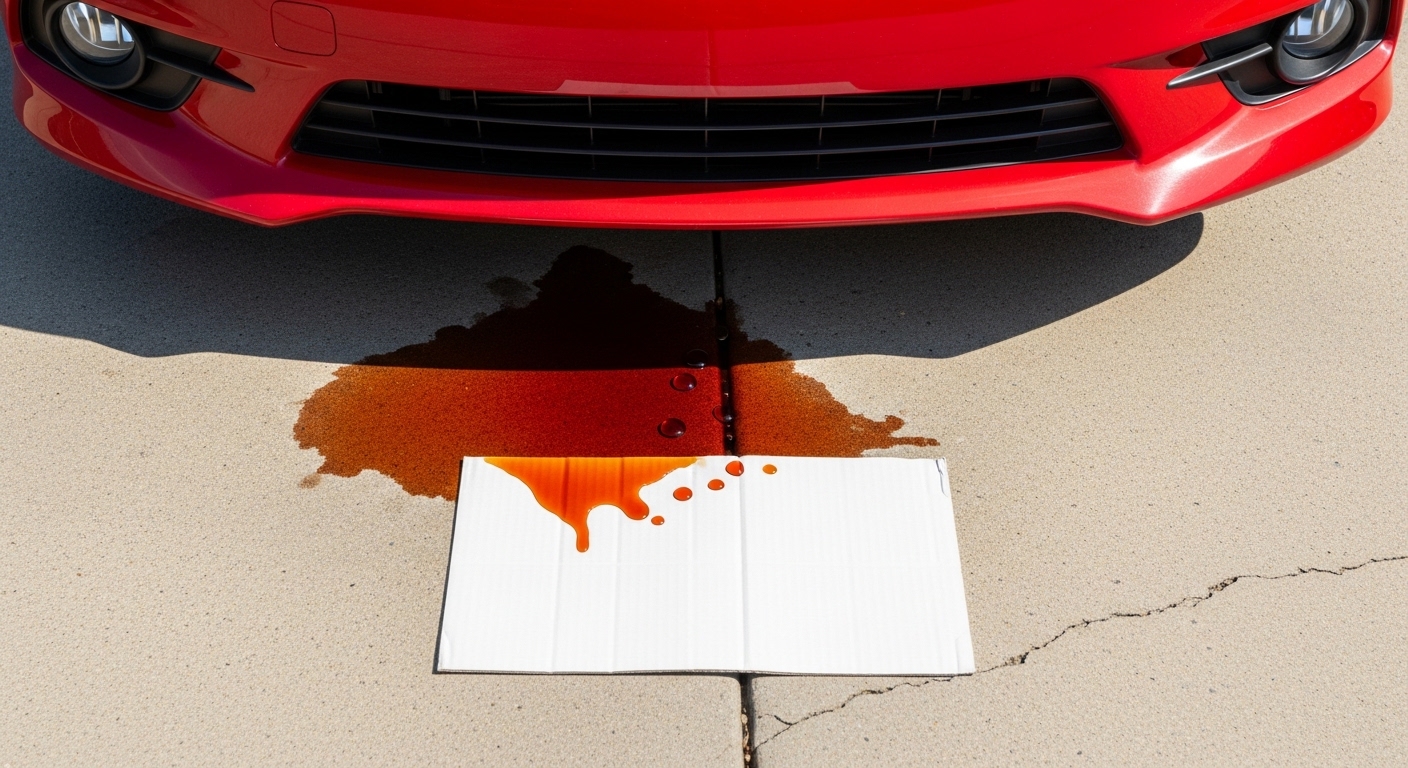
Transmission fluid is usually a bright red color when it is fresh and healthy. Over time, it can turn brown or even black when it is old and burnt. If you park your car and come back to find a puddle under it, take a look at the color.
A quick old trick: put a piece of cardboard under your car overnight. In the morning, check what dripped onto it. If the drops are red or reddish-brown, there is a good chance you have a transmission fluid leak. These leaks usually come from the transmission pan, the seals, the gaskets, or even the torque converter. Low fluid levels can cause serious transmission damage very fast, because the fluid is what keeps everything cool and lubricated inside. Do not wait on this one.
Strange Noises Coming From the Transmission
Your car should not sound like a construction site. If you hear grinding, whirring, whining, clanking, or clicking when your car changes gears, something is off. These strange noises are usually caused by worn gears, low fluid levels, a faulty bearing, or even a failing torque converter.
I remember a friend of mine described the noise from his car as a “humming that got louder when he sped up.” He brushed it off for weeks. Turned out the transmission fluid was nearly gone and the internal clutches were starting to wear down. A simple fluid flush fixed part of it, but the delay cost him extra in parts. Turn down your music sometimes and really listen to your car. It talks to you in sounds.
Dashboard and Performance Warning Signs
The Check Engine Light Comes On
People often think the check engine light is only about the engine. But your car’s computer, called the Transmission Control Module (TCM), works alongside the Engine Control Module (ECM). When something is off with your transmission, it can trigger that same warning light on your dashboard.
Some cars also have a separate transmission warning light. If either of these lights comes on, do not assume it is just a sensor error. Especially if it shows up alongside other symptoms like rough gear changes or a burning smell, it is time to get a diagnostic code read at a shop. An ASE-certified mechanic with a proper scanner can tell you exactly what the computer found wrong. Ignoring a dashboard warning is like ignoring a fire alarm because the flames are not visible yet.
Your Car Feels Sluggish or Slow to Respond
If your car feels like it has lost its energy, like pressing the gas does not quite do what it used to, your transmission might be struggling. This is called sluggish or delayed acceleration. The car might take longer to get up to speed or feel weak when you try to pass another car on the highway.
According to Kelley Blue Book, when your engine and transmission are not working together properly, you will notice it through sluggish performance. This can be caused by worn internal clutches, a failing transmission band, or a torque converter that is not doing its job. These are not small issues. They need a real inspection, not just a fluid top-up.
Manual vs. Automatic — Does It Matter?
Warning Signs for Automatic Transmissions
Automatic transmissions are more complex than most people think. They have about twice as many parts as a manual, plus a computer that controls every gear shift. According to Kelley Blue Book, automatic transmissions work great most of the time, but when they act up, 90% of the time it means internal problems you cannot fix at home.
Watch for: delayed response when shifting from park to drive, RPM surges without acceleration, shaking during gear changes, and the check engine light coming on with no clear cause. These are all signs the Transmission Control Module or the internal parts are struggling.
Warning Signs for Manual Transmissions
Manual transmissions have their own set of problems. The most common issue is with the clutch system. If you press the clutch pedal and the clutch disk does not fully disconnect from the flywheel, that is called a dragging clutch. It causes the gears to clash, and the car can even move when you do not want it to.
Other signs include the car becoming harder to get into gear, the gearbox grinding when you shift, or the car slipping out of a gear on its own. In many cases, replacing the clutch solves the problem. But if the issue keeps coming back, the deeper parts of the transmission may need attention.
What to Do When You Notice These Signs
Should You Keep Driving or Stop Right Away?
This depends on which sign you are seeing. If your car is leaking transmission fluid, making loud grinding noises, or showing a warning light, stop driving as soon as it is safe to do so. Continuing to drive with these symptoms can turn a manageable repair into a full transmission rebuild or replacement.
If the issue is mild, like slightly rough shifting, you might be okay driving to a transmission shop carefully. But do not push it. A study by the National Highway Traffic Safety Administration (NHTSA) shows that drivetrain problems are among the top contributors to unexpected mechanical breakdowns on US roads. Getting off the road quickly when you see serious symptoms is the smartest and safest move.
How to Choose the Right Transmission Shop
Not all auto shops are the same. Look for a shop with ASE-certified mechanics and one that uses proper diagnostic equipment. Ask if they offer a mileage warranty on transmission rebuilds. A shop that stands behind their work will always tell you that upfront.
Get the diagnostic code read before agreeing to any work. This code tells the mechanic exactly where the problem is, which means no guessing and no unnecessary parts being replaced. A solid shop will explain what they found, show you the fluid condition, and give you a clear price before starting. You can also check the CarMD Vehicle Health Index for average repair costs in your area to know if the price you are getting is fair.
Conclusion
Knowing how to know if your car needs transmission repair is one of the most useful skills you can have as a driver. You do not need to be a mechanic. You just need to know what to listen for, what to smell for, and what to look at. Gear slippage, burning smells, fluid leaks, strange noises, dashboard warnings, and sluggish performance are all signals your car is sending you. The earlier you respond, the cheaper and easier the fix will be.
Do not wait until your car stops moving in the middle of traffic. Pay attention to the small things. Your car is always talking. You just have to learn how to listen. If you have had a transmission issue before and want to share what happened, I would love to hear your story in the comments.
Frequently Asked Questions
How do I know if my transmission is failing or just low on fluid?
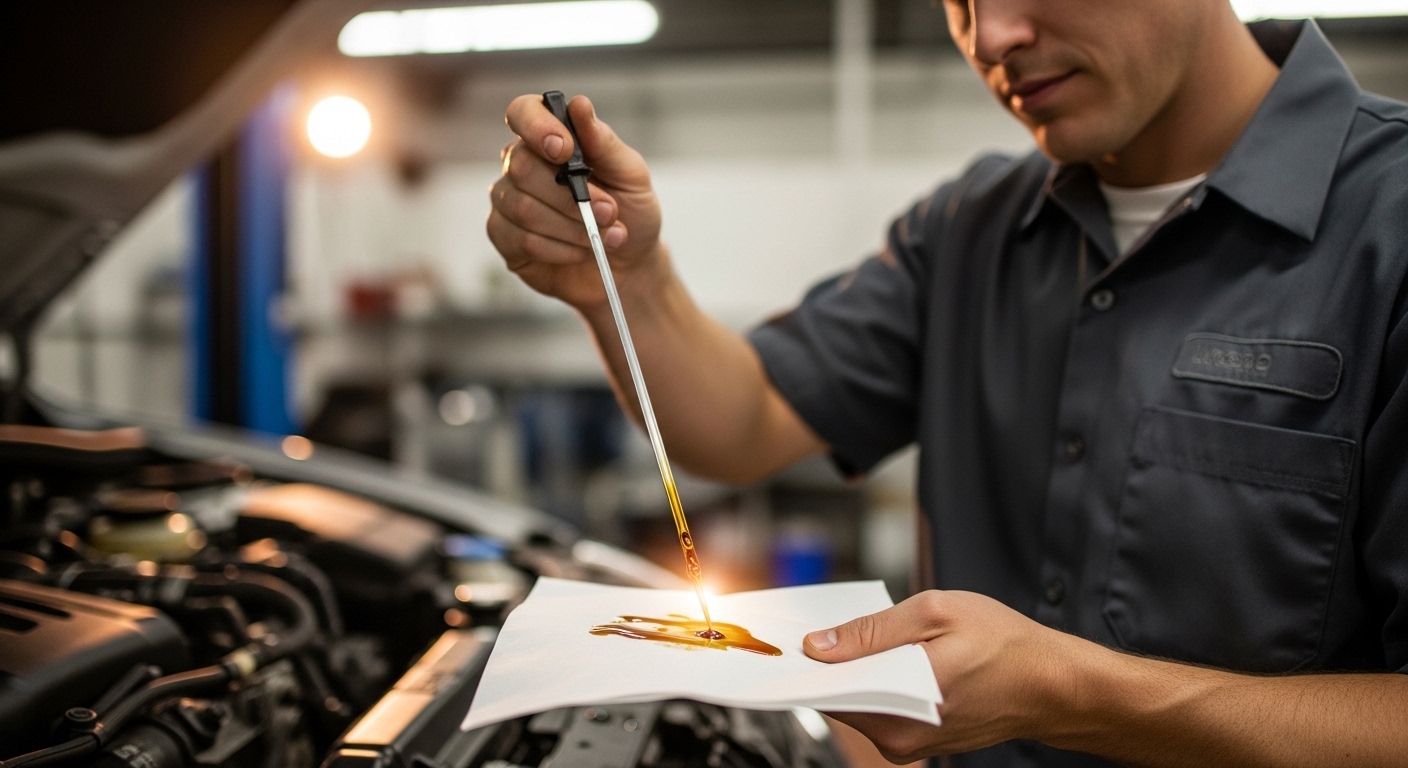
Low transmission fluid is often the first and easiest thing to check. Use the dipstick to look at the fluid level and color. If it is bright red and at the right level, the fluid is fine. If it is brown, black, or smells burnt, the fluid needs to be changed. If the fluid is fine but you are still having problems like gear slippage or rough shifting, the issue is likely mechanical and needs a professional inspection.
Can I drive my car if the transmission is slipping?
It is not a good idea. Slipping gears while driving is a safety risk. Your car could suddenly lose power or behave unpredictably. It is best to drive carefully to the nearest transmission shop or call for a tow if the slipping is severe.
How much does transmission repair usually cost?
Costs vary a lot. A simple transmission fluid flush might cost $100 to $200. A minor repair like replacing seals or a solenoid, could be $300 to $600. A full transmission rebuild or replacement can run from $1,500 to $5,000, depending on the car and the shop.
How often should I change my transmission fluid?
Most cars need a transmission fluid change every 30,000 to 60,000 miles. If you tow heavy loads or drive in very hot or cold conditions, you may need to do it sooner. Check your owner’s manual for the exact recommendation for your vehicle.
What is the difference between a transmission repair and a transmission rebuild?
A transmission repair fixes one specific part or issue, like replacing a seal or a solenoid. A transmission rebuild means the entire unit is taken apart, all worn or damaged parts are replaced, and it is put back together from scratch. A rebuild is more expensive but makes sense when the damage is widespread and the car is worth keeping.