
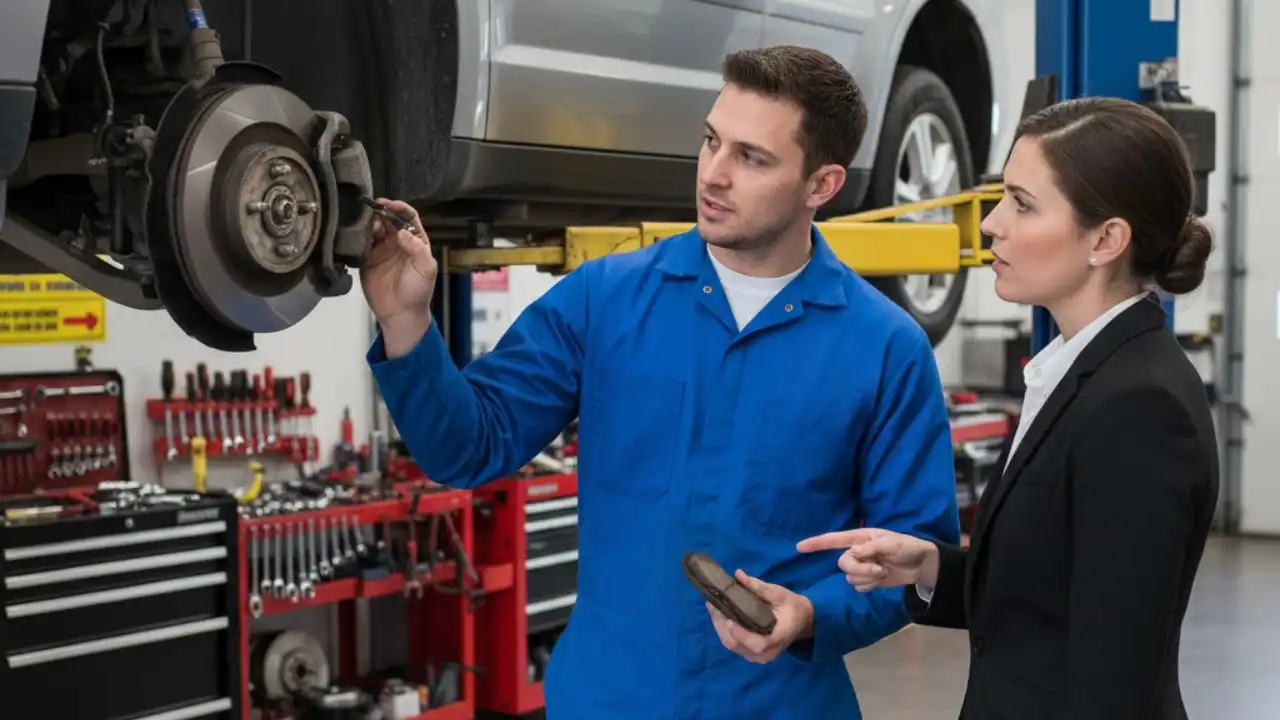
Have you ever hit the brakes and felt that strange squeal or shake that makes your heart drop? I’ve been there too, that moment when you wonder if your car will stop in time. Brakes are something we rely on every day, but most of us don’t really think about them until something feels off. Today, I’ll walk you through the ten most common brake repair questions drivers ask, with simple, honest answers that help you stay safe and save money.
6 Brake Repair Questions
1. How do I know my brakes need repair?
According to NHTSA, vehicles diagnosed for brake pad wear should include a full pad inspection and evaluation of rotor condition. If your car squeals, grinds, or shakes when you press the brake pedal, it’s time to get your brakes checked. You might also notice the pedal feels soft or your car pulls to one side. These are early warning signs that your brake pads, rotors, or calipers may be worn out. Getting them fixed early can prevent bigger, more expensive problems later.
2. What Happens During a Brake Inspection
When you bring your car in for a brake inspection, a certified technician doesn’t just peek at your pads and send you on your way. The process is actually quite detailed and gives you a full picture of how your brake system is doing. First, the mechanic checks the brake pads and rotors for wear. Pads that are too thin or rotors that have grooves or warping can affect stopping power. Then they examine the calipers, brake hoses, and fluid levels to make sure everything’s working smoothly in the hydraulic system. If there’s air or moisture in the brake fluid, it can make the pedal feel soft, so that’s usually tested and replaced if needed.
The next step is a road test to feel how the brakes perform in real conditions. The mechanic listens for noises, checks how the car stops, and ensures the ABS system (anti-lock braking system) kicks in properly. Finally, you’ll get a report explaining what needs repair, what’s still in good shape, and what to keep an eye on for later. This transparency helps you make smart decisions instead of paying for guesswork.
I still remember the first time I ignored a small squeak in my car’s brakes because I thought it was “just a little noise.” A week later, I started hearing grinding metal, and when I finally went in, the rotors were scored deep enough to need replacement. That repair cost three times more than a simple pad swap would have. Since then, I have never skipped inspections. That short visit can save you a lot of money, not to mention keep you safe on the road.
So, when you hear something odd or feel something off, don’t wait. A brake inspection isn’t just about fixing what’s broken; it’s about catching what’s about to be.
3. How Long Does a Brake Repair Take
When you think about brake repair, time is often one of the first questions that comes to mind. Nobody wants their car stuck in a shop longer than needed. The good news is that most brake jobs don’t take all day, but the exact time depends on what’s wrong and how complex the repair is. Let’s break down what really goes on behind the scenes.
The Typical Timeline for Common Brake Repairs
A standard brake pad replacement usually takes between thirty minutes to an hour for each axle. That’s because the mechanic removes the wheel, replaces the pads, and checks the rotors for uneven wear or damage. If the rotors are still smooth and within thickness limits, they can stay. But if they’re warped or scratched, they’ll either be resurfaced or replaced , and that adds another thirty minutes to an hour.
For a full brake system service , which includes replacing pads, rotors, and bleeding the brake lines , you might be looking at two to three hours in total. In some cases, cars with electronic parking brakes or advanced ABS systems take longer because special tools and reset procedures are needed. That extra care ensures the system resets properly and keeps your safety features working.
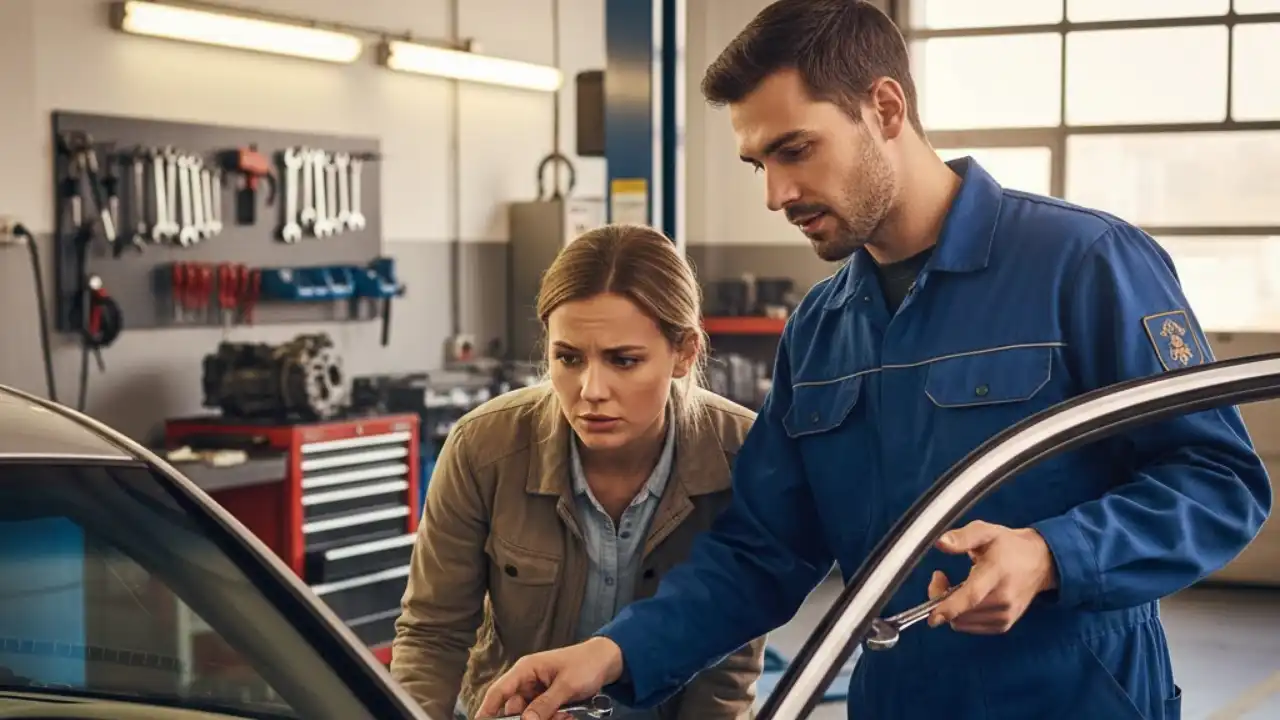
When it comes to brake fluid replacement, that’s usually quicker. Most technicians can flush and refill the system in about thirty minutes. Still, it’s one of those quiet but essential services that keep your brakes responsive. Air bubbles or old fluid can make the pedal feel soft or spongy, so even if it’s a fast job, it has a huge impact on how your car feels on the road.
Factors That Can Make Repairs Take Longer
Every car is different, and so is every repair. Sometimes a simple pad change turns into something more once the wheels come off. For example, rusted caliper bolts, frozen slide pins, or a seized caliper piston can slow things down. Older vehicles or those driven in humid or coastal areas often have these issues because moisture causes corrosion inside the brake assembly.
Then there’s the parts factor. If a certain rotor size or caliper type isn’t in stock, your shop might need to order it. That doesn’t mean the work is complex, just that timing depends on availability. The same goes for high-performance cars or European makes that require specialized components. Mechanics can’t rush precision work, especially when brakes are involved.
Finally, there’s inspection time. A trustworthy shop will always test drive your vehicle before and after repairs. This ensures that your car stops straight, your brake pedal pressure feels consistent, and there are no leaks or odd noises. This might add another twenty minutes, but it’s an essential safety step.
Why It’s Worth Taking the Time
A lot of drivers want brake jobs done “quickly,” but faster doesn’t always mean better. Precision matters. Mechanics use torque specs to tighten every bolt to exact standards, ensuring parts don’t come loose or wear unevenly. Skipping steps to save time might lead to squeaks, vibrations, or , worse , a brake failure.
The truth is, the time spent on brake repair is time spent protecting you. Even if a shop takes a bit longer than you expect, it’s because they’re checking every piece that keeps your car safe , the pads, rotors, calipers, brake fluid, and hoses. A few extra minutes for testing and adjustment can mean thousands of miles of confident driving.
What You Can Do to Save Time
If you want your brake service to go smoothly, schedule an appointment instead of dropping in unannounced. Bring any past service records too; it helps the technician understand what’s already been replaced and when. That small step often saves diagnostic time because they don’t need to repeat work that’s already been done.
You can also mention any symptoms you’ve noticed: squealing, pulling, vibrations, or warning lights. The clearer you are, the faster your mechanic can zero in on the issue. Think of it like going to the doctor; your description helps them diagnose quickly.
On average, a well-maintained car can get its brakes serviced within a few hours. If it takes longer, it usually means the mechanic is making sure every detail is perfect before handing the car back to you. That’s a good thing. After all, your brake system is the single most important safety feature on your vehicle.
So the next time you plan a brake repair, set aside a few hours, bring a book or grab a coffee nearby, and let the experts do their work carefully. It’s always better to drive away with brakes that feel brand-new than to rush through something that keeps you safe every time you hit the road.
4. How Much Does Brake Repair Cost
The cost of brake repair can vary a lot, but the good news is that understanding what you’re paying for helps you make smart choices. Different parts, materials, and car types all affect the total. Let’s go through it clearly so you know what to expect before walking into a repair shop.
Typical Brake Repair Costs
Here’s a simple table showing the average price range for common brake services:
| Brake Service Type | Average Cost (Per Axle) | Includes |
| Brake Pad Replacement | $150 – $300 | Pads, labor, inspection |
| Pads & Rotor Replacement | $250 – $500 | Pads, rotors, labor |
| Full Brake System Overhaul | $600 – $1,000 + | Pads, rotors, calipers, fluid |
| Brake Fluid Flush | $80 – $150 | Fluid drain, refill, bleed |
| ABS Diagnosis/Repair | $100 – $300 (inspection) | Sensors, electronic testing |
These are ballpark figures that most drivers can expect for a typical vehicle. The final number depends on the brand of parts used, the complexity of the braking system, and local labor rates.
Factors That Affect Brake Repair Cost
There are a few key things that can push your bill higher or lower:
- Vehicle type: A compact sedan costs less to service than a large SUV or performance car. Bigger, heavier cars need larger rotors and pads, which cost more.
- Parts quality: Ceramic brake pads last longer and make less noise than semi-metallic ones, but come with a higher price tag.
- Extent of damage: If you catch problems early, you may only need pads. Wait too long, and worn pads can damage rotors and calipers, doubling your cost.
- Labor time: Some cars have complicated braking systems that take longer to repair, which adds labor hours even if parts are the same price.
- Warranty or service plan: Some shops include free inspections or discounted future services, so always ask what’s covered.
Smart Ways to Keep Costs Down
A few habits can make a big difference in your long-term spending:
- Get your brakes checked every six months or whenever you notice a noise.
- Replace brake fluid regularly to protect internal parts from rust.
- Choose a shop that explains your options clearly , not just the most expensive one.
- Use parts that match your driving needs; not every car needs high-performance components.
The bottom line? Brake repair isn’t cheap, but it’s one of the most valuable investments in your safety. Spending a little now on pads, rotors, and inspections saves you from paying much more later when small wear turns into full replacement.
5. How Long Do Brakes Usually Last
Every driver wonders how often brakes should be replaced, but there isn’t a one-size-fits-all answer. The lifespan of your brakes depends on how you drive, what kind of car you own, and how well you maintain them. Still, there are some reliable averages and patterns that can help you plan ahead.
Typical Brake Lifespan
Most brake pads last between 35,000 and 60,000 miles, while rotors can often go up to 70,000 miles before needing replacement. That said, some drivers may wear out pads much sooner, especially if they do a lot of city driving or heavy braking. Brakes wear faster when they’re used often and under pressure; every stoplight, hill, and tight turn adds up.
What Shortens Brake Life
Here are some everyday habits and conditions that can make your brakes wear out faster:
- Hard braking: Constantly slamming on the brakes causes friction that overheats pads and rotors, wearing them down quickly.
- Stop-and-go traffic: City driving with lots of lights and short trips gives brakes less time to cool down, leading to faster wear.
- Heavy loads: Carrying passengers, cargo, or towing adds stress on the braking system, forcing calipers and rotors to work harder.
- Driving terrain: Hilly or mountainous roads require frequent braking, putting extra strain on your brake system.
- Cheap parts: Low-quality brake pads may save money up front but wear out much faster than ceramic or OEM-quality pads.
What Helps Brakes Last Longer
The good news is that with a few smart habits, you can extend the life of your brakes by thousands of miles:
- Brake gently: Try slowing down gradually instead of hitting the pedal hard.
- Maintain proper distance: Leaving more space between you and the car ahead means fewer sudden stops.
- Flush brake fluid: Old or contaminated brake fluid can corrode parts, reducing their lifespan.
- Inspect regularly: Catching early signs of wear, squealing, vibration, or soft pedal can prevent expensive damage.
- Rotate tires on time: Even tire wear keeps the brake load balanced and improves stopping consistency.
Your brakes will thank you for gentle driving and regular care. You don’t need to memorize numbers; stay alert to sounds, feel, and responsiveness. A quick inspection every few months can help you spot wear before it becomes a safety risk. Remember, keeping your brake pads, rotors, and fluid in good condition isn’t just about saving money; it’s about ensuring your car stops safely every single time.
6. What Warning Lights Should I Watch For
Modern cars are designed to give you plenty of hints before your brakes fail. Most people notice the sounds first , squealing or grinding , but your dashboard can also warn you that something’s not right. Understanding these lights can help you act fast before small issues turn into big repair bills.
The Brake Warning Light
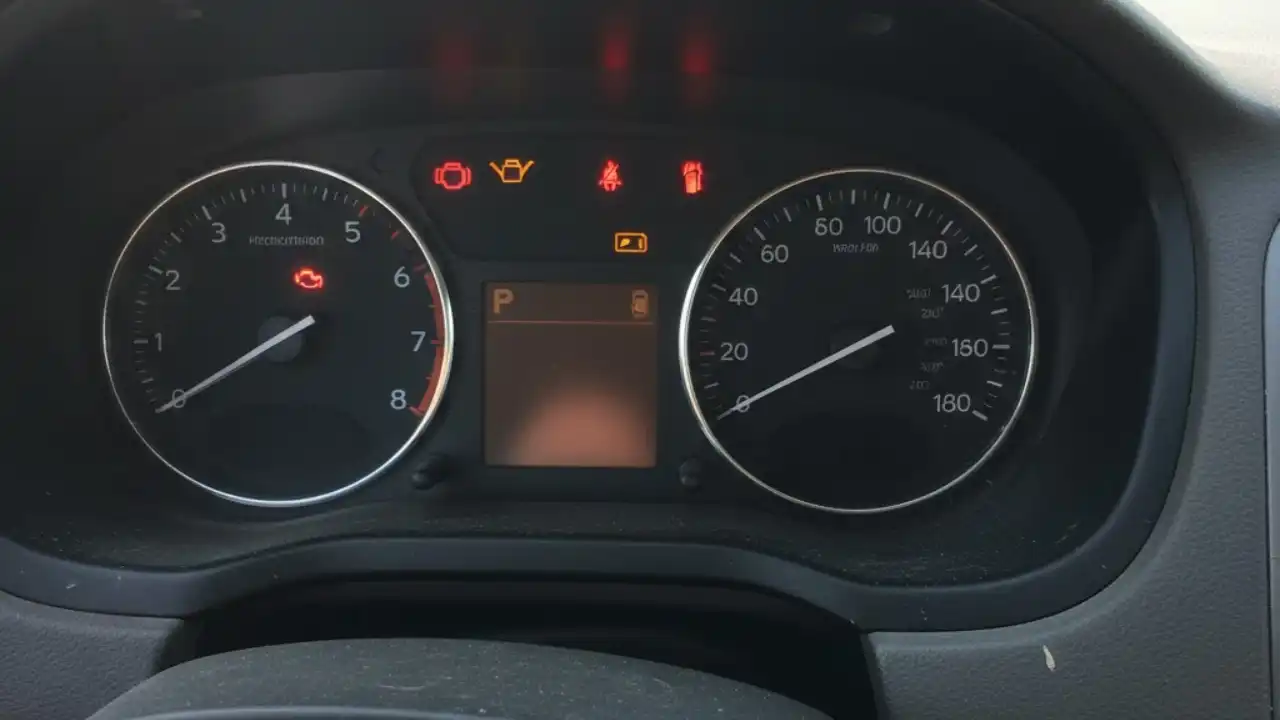
The most common sign that your braking system needs attention is the red or yellow “BRAKE” light on your dashboard. This light can mean several things. Sometimes, it simply tells you that your parking brake is engaged. But if it stays on after the brake is fully released, it might point to something more serious, such as low brake fluid, worn pads, or a leak in the hydraulic system. When that happens, it’s smart to stop driving and check fluid levels first. If the fluid is fine, have a technician inspect the car; driving with a hydraulic leak can cause your brakes to fail without warning.
The ABS Light
Next is the ABS (Anti-lock Braking System) light, usually a yellow circle with the letters “ABS” inside. This light doesn’t mean your brakes have stopped working; it just means the anti-lock system that prevents skidding is disabled. You can still brake normally, but in emergencies, like hard stops on wet roads, your wheels might lock up, making it harder to control the car. The fix might be as simple as cleaning a wheel sensor or replacing a faulty ABS module. Still, it’s worth having a technician check it soon.
The Brake Pad Wear Indicator Light
Some newer vehicles also have a brake pad wear indicator light. This light looks like a circle with dotted lines on both sides. It appears when sensors detect that your brake pads are worn down to a certain level. Not all cars have this feature, but if yours does, it’s a helpful reminder that it’s time for service. Ignoring it too long could lead to rotor damage and higher costs later.
Why Dashboard Lights Matter
Dashboard lights are like your car’s language for saying, “Something’s wrong.” It’s easy to brush them off if the brakes still feel fine, but sensors often catch problems before you can feel them. That’s why these lights are part of your car’s early warning system; they give you time to act safely.
If any brake-related light stays on, don’t panic , just don’t ignore it either. A quick visit to your repair shop can diagnose the issue, reset the warning, and give you peace of mind knowing your car can stop safely whenever you need it to.
Final Thoughts
Your brake system is one of the most important safety features on your car, yet it’s often the most overlooked. The truth is, brakes rarely fail overnight; they give plenty of warnings first. Paying attention to noises, dashboard lights, and how your pedal feels can save you from expensive repairs and unsafe situations.
Regular inspections, quality brake pads, and clean brake fluid go a long way toward keeping your car safe and your drives smooth. Think of brake care as routine self-care for your car , small, consistent attention that keeps everything running right.
So next time you hear that little squeak or feel a change in your pedal, don’t wait. A quick visit to a trusted repair shop can make all the difference between a minor service and a major repair. Safe brakes mean peace of mind every time you hit the road.
Schedule Your Brake Service Today
Don’t wait until that squeak turns into a grind; your brakes deserve attention now. At Brian’s Tire and Service, our certified technicians provide honest inspections, clear estimates, and quality repairs you can trust.
Whether you’re heading to work, picking up the kids, or planning a weekend drive, safe brakes make every trip smoother and safer. Book your appointment online or stop by our shop in Huntsville, Alabama, and let us help you get back on the road with confidence.
Your car will thank you, and so will your peace of mind.