
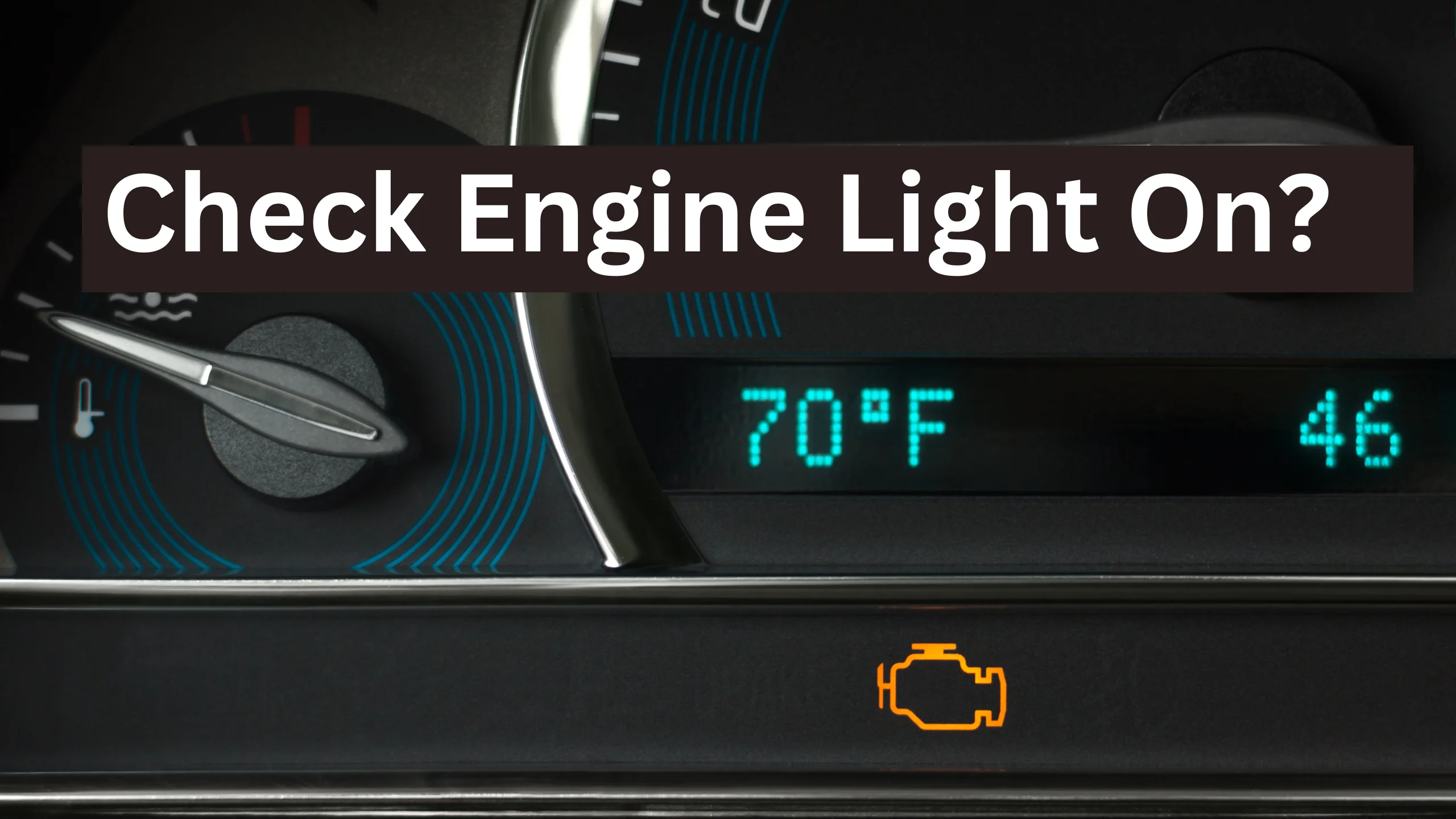
When that little orange light pops up on your dashboard, it’s easy to ignore until your car starts acting strange. I’ve had friends who kept driving with it on for weeks, thinking it was “just a sensor.” But here’s the thing: that light could be your car’s way of crying out for help. And trust me, the longer you wait, the worse (and more expensive) it can get.
Whether your car seems fine or you’re already hearing odd noises, let’s break down what that light could really be telling you.
What Does the Check Engine Light Mean?
The check engine light is a warning from your car’s engine control unit (ECU). It means the onboard diagnostics system (OBD-II) has detected something unusual, either in the engine, emissions system, or transmission. Sometimes it’s a minor issue; other times, it’s your car trying to prevent serious damage.
Common Reasons Your Check Engine Light Comes On
When the check engine light turns on, it’s your car’s built-in diagnostic system trying to tell you something’s off. It might be a quick fix, or it could be your car’s way of warning you before something major happens. Here are some of the most frequent causes and what they actually mean for you.
Loose or Damaged Gas Cap
It sounds minor, but a loose or cracked gas cap is one of the top reasons that light appears. Your gas cap helps maintain proper pressure in the fuel system and prevents vapors from leaking. If it’s not sealed right, your system can think there’s an emissions problem. Always make sure it’s clicked tight after refueling, and if the light doesn’t go away after a few drives, it might need replacing.
Faulty Oxygen Sensor
The oxygen sensor monitors how efficiently your engine burns fuel. A bad sensor can make the engine use too much fuel or run rough. You might notice lower mileage or a smell of gas. Most cars have several oxygen sensors, so when one fails, your car’s performance can quickly dip. Replacing it sooner helps protect your catalytic converter from long-term damage.
Bad Spark Plugs or Ignition Coils
These parts work together to ignite the fuel-air mixture in your engine. When they go bad, the engine may misfire, shake, or feel sluggish when you accelerate. I remember when my friend Sarah called me in a panic because her check engine light started flashing on a long drive. She said the car was trembling every time she stopped at a light. I told her to pull over safely and get it checked first thing in the morning. It turned out her ignition coil was failing, and catching it early saved her from a much costlier repair. Sometimes, that little light really does save you a big headache.
Catalytic Converter Issues
The catalytic converter helps clean up the gases your car emits. When it gets clogged or fails, you’ll notice a big drop in performance and fuel economy. It’s one of the pricier repairs, but often it fails because of other ignored issues, like misfires or a bad oxygen sensor. Fixing those smaller problems early usually prevents this one.
Mass Air Flow (MAF) Sensor Problems
This sensor measures how much air is flowing into your engine so it can balance the right amount of fuel. When it malfunctions, you may experience stalling, rough idling, or trouble starting your car. Keeping your air filter clean and replacing it regularly helps keep the MAF sensor healthy.
Issues With the EGR or EVAP System
Your car’s emissions systems, EGR and EVAP, control how gases are recirculated and contained. When something leaks or clogs in these systems, the light can come on even if you don’t notice any change in how the car drives. Mechanics can spot these issues quickly with an OBD-II scanner.
Faulty Thermostat or Engine Temperature Sensor
Sometimes, the light means your engine isn’t reaching the right operating temperature. A bad thermostat can make your engine run too cold or overheat, both of which hurt performance and emissions. If you see the light come on with higher-than-normal temperature readings, don’t ignore it.
The check engine light doesn’t always mean disaster, but it does mean attention is needed. A quick diagnosis can save you from days of stress and hundreds in repairs later on.
Steady vs Flashing Check Engine Light: What’s the Difference?
When your check engine light comes on, the way it behaves can actually tell you a lot. You might see it glow steadily or blink rapidly, and each one means something different. Knowing the difference can help you decide whether to keep driving or pull over immediately.
What a Steady Check Engine Light Means
A steady or solid check engine light is usually your car’s way of saying, “Something’s wrong, but it’s not urgent yet.” This could be caused by a loose gas cap, a faulty sensor, or a minor emissions issue. Your car will likely continue running normally, and there may be no obvious signs that anything is wrong. But just because it seems fine doesn’t mean it’s safe to ignore.
The thing about a solid check engine light is that while the issue may not seem serious at first, ignoring it can lead to more damage over time. For example, driving with a failed oxygen sensor for too long can affect your fuel economy and, eventually, your catalytic converter. What starts as a $100 sensor fix can turn into a $1,000 repair if left unchecked. So if your light is steady, it’s okay to drive home or to a repair shop, but don’t delay getting it diagnosed.
What a Flashing Check Engine Light Means
Now, if that light is flashing, don’t wait. A blinking or flashing check engine light means there’s a severe issue, usually an engine misfire. This misfire allows unburned fuel to enter the exhaust system, which can quickly overheat and damage the catalytic converter. At that point, you’re looking at serious repair costs and possibly even engine failure if it continues.
If your check engine light is flashing while you’re driving, your best move is to pull over as soon as it’s safe and shut the car off. Keep the engine off and call for help. Driving with a flashing light can do real harm to your engine and emissions system.
Why You Shouldn’t Guess or Delay
Too often, drivers make the mistake of assuming all check engine lights are the same. But this warning system is more advanced than many realize. Modern vehicles have a series of sensors and modules that track everything from fuel mixture to exhaust pressure. When something is off, the ECU triggers the light and stores a trouble code. Without reading the code, you can’t know what’s really going on under the hood.
Even if the car drives fine, a steady light still means the system is out of spec in some way. And a flashing light means you’re risking major damage with every extra mile. That’s why it’s so important to respond appropriately to what the light is telling you.
Don’t Let the Light Catch You Off Guard
The check engine light isn’t something to fear; it’s a built-in alert system designed to keep your car running safely and efficiently. Think of it as your car’s way of communicating that something isn’t right. Whether it’s a simple sensor or a more serious issue, the sooner you get it looked at, the better your chances of avoiding a bigger repair bill.
Having your light diagnosed doesn’t always mean expensive repairs, either. Sometimes, it really is just a gas cap or a dirty sensor. But ignoring it and hoping it goes away can turn a small issue into a costly one fast. Trust your car when it gives you a warning, and treat flashing lights with the urgency they deserve.
Knowing the difference between a steady and flashing check engine light can make a big difference in how you respond and how much you spend in the long run.
Can You Drive With the Check Engine Light On?
This is one of the most common questions drivers ask, and the honest answer is: it depends. The way your check engine light behaves, along with how your car feels when driving, will help you decide what to do next.
When It’s Probably Safe to Keep Driving (For Now)
- The light is steady, not flashing
- Your car is driving normally, no shaking, stalling, or odd noises
- No strange smells like fuel or burning rubber
- You just filled up with gas and suspect a loose gas cap
If you’re in a situation like this, it’s likely safe to drive a short distance, like to a nearby repair shop or home. But don’t ignore it for days. Driving with even a minor issue can lead to poor fuel economy and future wear on sensitive components like the catalytic converter or spark plugs.
When You Should Stop Driving Immediately
- The check engine light is flashing or blinking
- You notice the engine is misfiring or feels rough
- The car is losing power while accelerating
- You smell fuel or rotten eggs (which could mean catalytic converter trouble)
- The engine temperature gauge is rising
If these signs show up, pull over safely, turn off the car, and call for help. Driving in this condition risks serious engine or emissions damage, and continuing could mean a big repair bill.
How Urgent Is It? Here’s a Quick Comparison
| Light Behavior | Symptoms Present? | Safe to Drive? | Suggested Action |
| Solid | None | Yes (short term) | Schedule a diagnosis soon |
| Solid | Minor symptoms | Caution | Get it checked within 1-2 days |
| Flashing | Any | No | Stop and call a mechanic |
| Solid/Flashing | Overheating, smell, loss of power | Absolutely not | Turn off the engine, seek towing |
Your car isn’t just giving you a warning light to be annoying. It’s trying to help you avoid getting stranded, or worse, damaging expensive components. If you’re ever unsure, the safest option is always to get it scanned by a technician. It only takes a few minutes to read the OBD-II codes and see exactly what’s going on.
What To Do When Your Check Engine Light Comes On
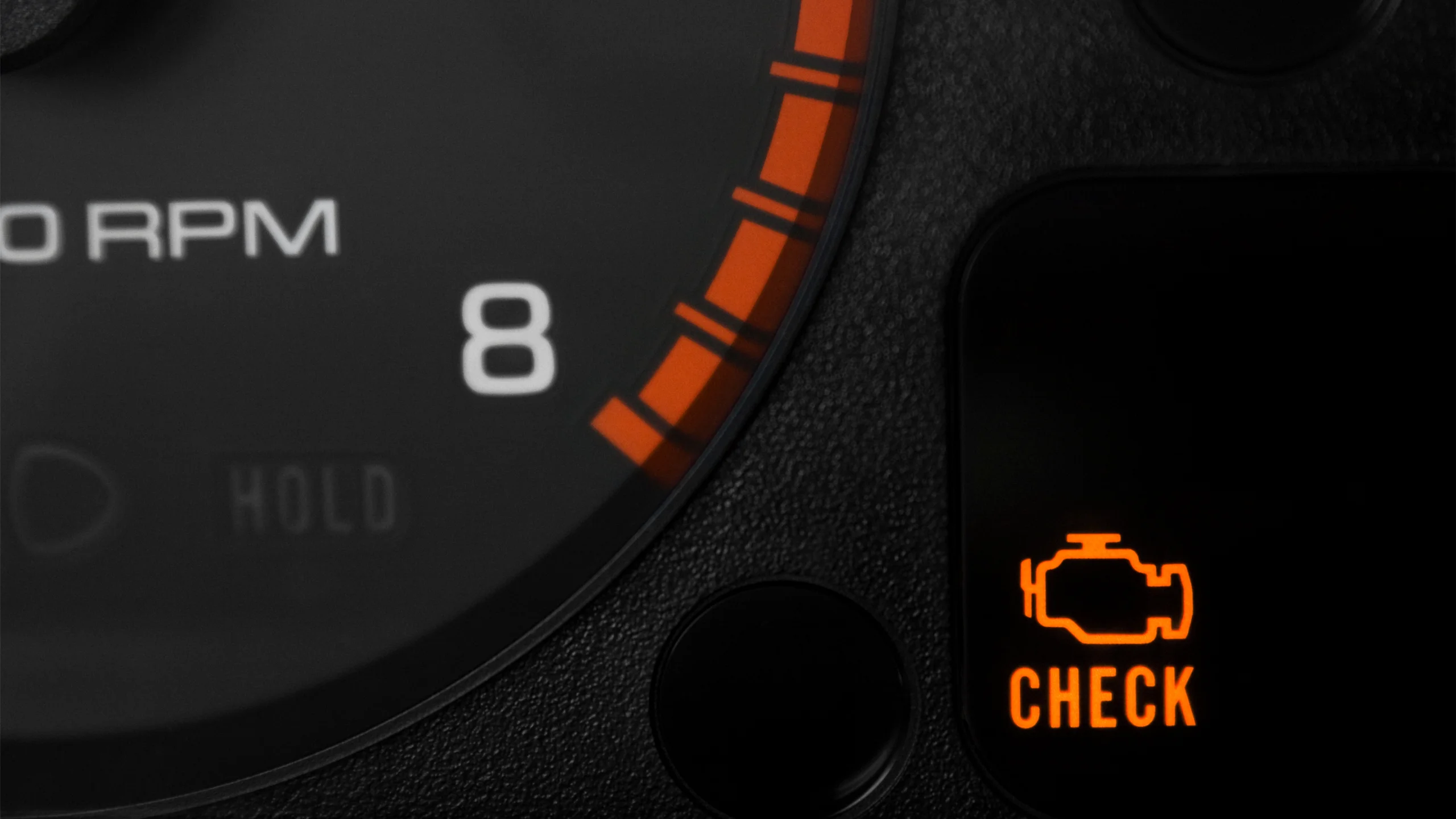
The check engine light can feel intimidating, especially if you don’t know where to start. But don’t worry, it doesn’t always mean bad news. Here’s a simple breakdown of what you can do, step by step, to stay calm and handle it the right way.
Step 1: Check for Obvious Issues
- Make sure your gas cap is tight. If it’s loose or missing, it can trigger the light.
- Look at your dashboard for other warning signs like low oil pressure or high engine temperature.
- Listen for strange sounds, knocking, rattling, or engine hesitation.
Sometimes, just tightening the gas cap and restarting the car after a few drives can turn the light off. If not, move to the next step.
Step 2: Pay Attention to How the Car Feels
- Is it running rough, shaking, or making odd noises?
- Are you losing power while driving?
- Is the light flashing or staying solid?
If it’s flashing or the car is running poorly, don’t take risks, get off the road safely, and call for help. If it seems to be running normally, you can likely continue driving to a trusted shop.
Step 3: Use a Code Reader (If You Have One)
If you have a handheld OBD-II scanner or a Bluetooth plug-in, you can read the code at home. These devices tell you what error triggered the light, like a P0300 for engine misfire or a P0420 for catalytic converter efficiency.
Reading the code doesn’t always tell you the exact problem, but it gives you a starting point and helps you avoid getting upsold for unnecessary repairs.
Step 4: Schedule a Professional Diagnosis
Even if your car seems fine, it’s smart to have a professional scan it. Most repair shops will do a basic code read for free or low cost. They’ll confirm whether it’s something minor or if repairs are needed.
This step matters because clearing the light without fixing the problem only delays the issue, and it will come back.
Taking action early is the key to preventing a small issue from turning into a major repair. Whether it’s something simple or more serious, having a plan in place helps you feel in control and protects your wallet, too.
Need Help in Huntsville? We’ll Diagnose It Fast
When your check engine light turns on, guessing what’s wrong can feel overwhelming. You might worry it’s something expensive or complicated. But that’s exactly why we’re here. At Brian’s Tire & Service, we take the stress out of engine diagnostics by giving you fast answers and real solutions, without the runaround.
Expert Diagnostics That Go Beyond the Basics
A lot of shops will just read the code and send you on your way. We don’t do that. According to the U.S. Environmental Protection Agency, On‑Board Diagnostics (OBD) systems are vital in helping state and local agencies detect emissions faults and maintain air quality. When you bring your car to us, our ASE-certified technicians run a complete diagnostic test using advanced OBD-II scanners. These tools let us pull the exact trouble code from your engine control unit and pinpoint the root cause of the warning light. Whether it’s a misfire, sensor failure, or emissions issue, we’ll track it down and explain it in plain language so you know exactly what’s going on.
No Guesswork, Just Real Answers You Can Trust
We believe in solving problems the right way. That means we don’t just clear the check engine light and hope it doesn’t come back. We dig deeper to make sure your car runs like it should, and we never recommend repairs you don’t need. Our team takes the time to show you what the issue is, what caused it, and what your options are for fixing it. That way, you can make an informed choice that fits your needs and your budget.
Convenient Scheduling and Friendly Service
We know life gets busy, so we make it easy to get your car looked at without long waits. Whether you book online or call us, we’ll fit you in quickly and get to work right away. Many check engine light diagnostics can be completed the same day, so you’re not stuck without a vehicle for long. And while you’re here, you can relax in our clean, comfortable waiting area or ask us any questions; we’re always happy to help.
When that light comes on, don’t let it ruin your day. Let Brian’s Tire & Service handle it with expert care, clear communication, and service you can count on. We’ve got your back, because we treat every car like it’s our own.
Final Thoughts
The check engine light isn’t just a warning; it’s your car’s way of asking for help. Whether it’s a quick fix or something more serious, the smartest move is to get it checked sooner rather than later. Ignoring it won’t make it go away, but acting early can save you stress, money, and time.
If your light is on, don’t panic. Just get it looked at, understand the issue, and take care of it before it grows. Your car and your wallet will thank you later.
Get Your Check Engine Light Diagnosed Today in Huntsville
If your check engine light is on, don’t wait and wonder. Bring your vehicle to Brian’s Tire & Service in Huntsville, AL, for fast, honest, and expert diagnostics. Our ASE-certified technicians will pinpoint the problem and explain your options clearly, no pressure, just real help.
Call us or schedule your appointment online today and get back on the road with confidence.