
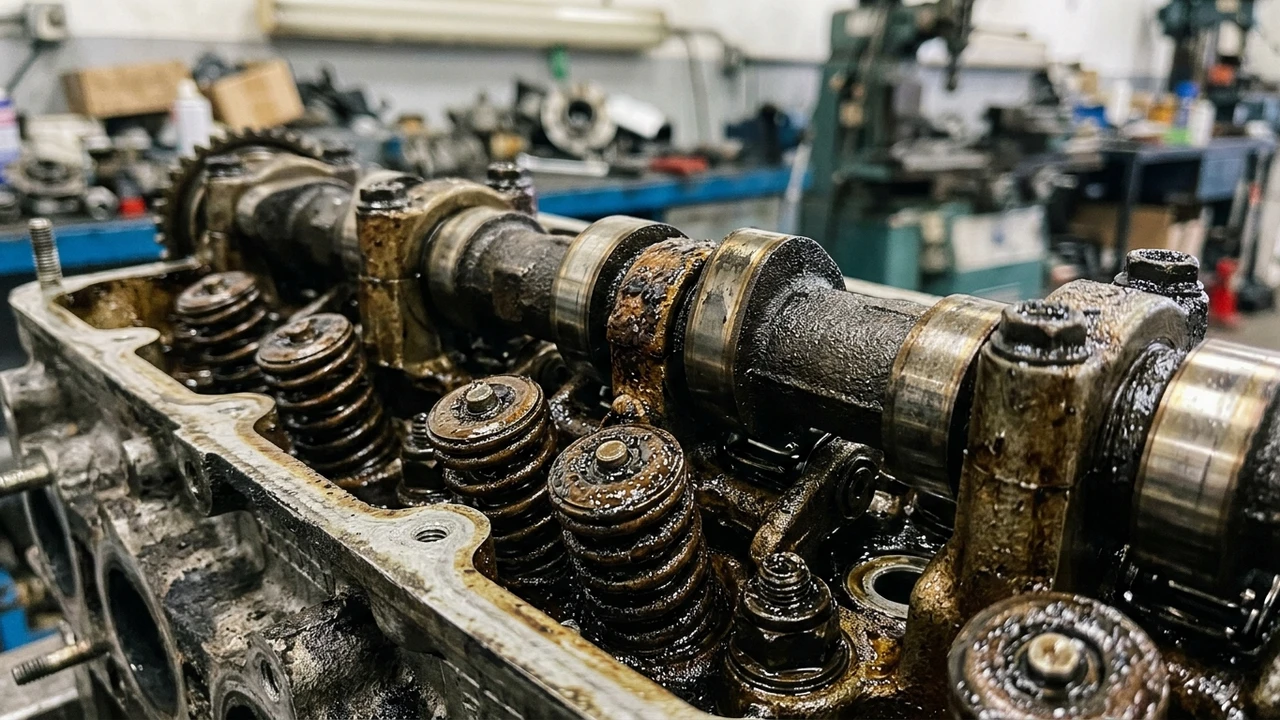
Your engine can look perfectly clean on the outside while something dark and sticky quietly forms deep inside it. It builds up slowly. It hides well. And by the time most drivers spot engine sludge, the harm is often already done. The strange part? This gunk is far more common than people think, and a handful of normal, everyday habits make it grow much faster.
What Is Engine Sludge, Really?
Engine sludge is a thick, sticky gunk that forms inside your motor. Picture old, gooey grease or soft tar. Fresh oil is smooth and slippery, and it slides over every part with ease. Over time, heat, air, dirt, and water can turn that clean oil into a dark, heavy paste. That paste clings to engine components and blocks oil from flowing the way it should.
Here’s the simple version. Oil has one big job: to protect your engine by keeping metal parts slippery and cool. When oil breaks down and mixes with contaminants, it stops doing that job. In cases we open up at the shop, sludged oil can be 5 to 10 times thicker than healthy oil. It stops flowing like a liquid and starts acting like glue.
Sludge does not show up overnight. It forms in layers, kind of like plaque on teeth. A thin film today. A thicker crust next month. Left alone, it can coat the inside of your engine like a dark skin. The formation is slow, quiet, and easy to miss until your oil light blinks on.

You cannot see it from the driver’s seat. That is what makes it sneaky. Most people find out about sludge buildup only when a mechanic pulls the valve cover or the oil pan. If you want to catch trouble sooner, it helps to know how to catch engine problems early before they turn costly.
Why Sludge Is So Common
I’ve handled cases exactly like this many times, and the pattern is almost always the same: a clean-looking car, a busy owner, and an oil pan full of dark paste. Sludge is common because the very way most of us drive helps it grow.
Think about your normal week. Short drive to work. Quick trip to the store. School drop-off. Idle in traffic. In our experience, roughly 8 out of 10 daily commutes are too short for the engine to fully heat up and dry out. That short-drive habit is one of the biggest quiet causes of sludge.
Modern engines also run hotter and tighter than old ones. They have small oil passages and fine parts. That is great for performance and fuel savings. But it also means even a little buildup can clog things fast. A narrow passage does not need much gunk to choke it.
Then there is the maintenance gap. People stretch oil changes because life gets busy. A regular change at 3,000 to 5,000 miles for conventional oil keeps things clean, yet many folks push way past that. Skip a few, drive short trips, add some heat, and sludge almost builds itself. It is not bad luck. It is simple cause and effect.
The Main Causes That Create Sludge
Sludge does not come from one thing. It comes from a few problems stacking on top of each other. When two or three line up, the buildup speeds up fast. Below are the main causes I see week after week under the hood.
Skipped or Late Oil Changes
Old oil is dirty oil. As it ages, it collects dust, tiny metal bits, and burnt fuel. Push a conventional oil past 5,000 miles and it starts to break down and turn dark. The additives that keep it clean wear out. Once that happens, the oil cannot hold contaminants anymore, and they settle as gunk.
Short Trips and Stop-and-Go Driving
This one surprises people. Your engine needs to reach about 212°F so any water inside can boil off. On short trips under 10 minutes, it never gets that hot. So moisture stays trapped and mixes with the oil, making a milky, sludge-friendly mess.

Heat and Overheating
Too much heat cooks your oil. When an engine runs hot again and again, the oil bakes onto metal and hardens. In hot climates, this happens even faster. Overheating is one of the quickest ways to turn good oil into crusty deposits.
The Wrong Oil Type
Using the wrong oil grade puts stress on the whole system. Cheap or mismatched oil breaks down sooner and cannot handle high heat. The right type of oil for your car matters more than most drivers realize.
A Failing PCV Valve
The PCV valve is a small part that lets fumes escape the engine. When it clogs, those fumes and moisture get pushed back into the oil. That speeds up sludge in a big way. If your car shows the signs of a failing PCV valve, it is worth checking soon.
Here is a quick look at how each cause hurts your oil:
| Cause | What It Does to Your Oil |
|---|---|
| Skipped oil changes | Old oil turns thick and stops cleaning |
| Short trips | Water and fuel stay mixed in the oil |
| Overheating | Oil bakes and hardens into deposits |
| Wrong oil type | Oil breaks down faster than it should |
| Bad PCV valve | Pushes fumes and moisture back inside |
What Accelerates Engine Sludge the Fastest
In our field work, sludge rarely comes from one bad habit, it comes from a combo. When I find a badly sludged engine, I usually find 3 or more of these problems at once. Stack them, and the clock speeds up.
The fastest combo I see is short trips plus late oil changes. The oil never dries out, and it never gets swapped in time. From what we track in the shop, that pairing can cut safe oil life by 30% to 50% compared to normal highway use. Two small habits, one big problem.
Heat is the next accelerator. Tow a trailer, sit in summer traffic, or let the car run hot, and the oil ages fast. Add cheap oil to that heat, and you get a recipe for crust. This is also how carbon buildup and its symptoms often show up alongside sludge, same heat, same neglect.
Turbo engines deserve a special warning. A turbo spins at very high speed and gets very hot. Dirty oil bakes inside its tiny lines and clogs them faster than in a plain engine. If you drive a turbo car, clean oil is not optional.
This table shows what makes sludge build slow versus fast:
| Habit or Condition | Sludge Builds Slowly | Sludge Builds Fast |
|---|---|---|
| Trip length | Long highway drives | Short trips under 10 min |
| Oil changes | On schedule | Skipped or late |
| Engine heat | Normal temps | Frequent overheating |
| Oil type | Right grade, quality oil | Wrong or cheap oil |
| PCV valve | Working fine | Clogged or stuck |
Warning Signs You Should Watch For
Your engine will try to tell you when sludge is forming. The trick is knowing what to watch for. Most warning signs are easy to miss because they start small. But if you catch them early, you can save your motor and your wallet.
Here are the symptoms I tell every customer to look for:
- Oil light stays on or flickers, even after an oil top-up
- A loud ticking or knocking sound right after a cold start
- The engine runs hot or the temp gauge climbs
- Weak power or poor gas mileage, like the car feels tired
- Dark, thick, gooey oil on the dipstick instead of smooth amber oil
- A check engine or oil-pressure light on the dash
That ticking after a cold start is a big one. It means oil is not reaching the top of the engine fast enough because gunk is slowing it down. In our shop, about 7 out of 10 early sludge cases show up first as a cold-start tick. It is your engine begging for clean oil.
Watch your dipstick too. Pull it out and look. Healthy oil is see-through and smooth. Sludgy oil is dark, cloudy, or so thick it clings in clumps. If it looks like chocolate milk, water has gotten in. If it looks like tar, sludge has arrived.
Here is a simple guide to what each sign may mean:
| Warning Sign | What It May Mean |
|---|---|
| Oil light stays on | Oil is not flowing well inside |
| Ticking after cold start | Oil not reaching parts fast enough |
| Engine runs hot | Cooling and oil passages blocked |
| Weak power or poor mileage | Engine is working harder than normal |
| Thick, dark oil on dipstick | Sludge is already forming |
How Sludge Hurts Your Engine Over Time
I’ve seen this pattern many times in my work: a driver ignores the small signs, and six months later we are quoting a full engine job. Sludge does not just sit there. It slowly chokes the parts that keep your engine alive.
The first thing it hurts is oil flow. Sludge blocks the narrow passages that carry oil to your bearings and valves. When oil cannot get through, metal grinds on metal, and wear shoots up. This is the same danger you face when an engine runs low on oil, you can read more about what happens when an engine runs low on oil and why it matters so much.
Sludge also traps heat. Clean oil pulls heat away from hot parts. Gunky oil cannot, so your engine starts overheating. The U.S. EPA points out that during normal use, impurities like dirt, metal scrapings, and water get mixed into your oil, and once they settle as sludge, cooling and cleaning both suffer. That heat then bakes even more oil into more sludge, a nasty loop.
The money side is real, too. The EPA also notes that used oil from just one oil change can pollute up to one million gallons of fresh water if dumped wrong, which shows how loaded with contaminants old oil really gets. Inside your engine, those same contaminants are grinding away. A neglected motor can lose years of life this way, turning a simple oil job into a rebuild.
Turbochargers and oil pumps take the worst hit. They rely on fast, clean oil, and sludge starves them first. If you own a turbo, this is where trouble starts, and it lines up with common turbocharger problems and maintenance needs. Catch sludge early, and you protect the most expensive parts under your hood.
How to Prevent Engine Sludge
Good news: sludge is one of the most preventable engine problems out there. You do not need fancy tools. You just need a few smart habits and a routine you actually stick to. Here is what works.
Change your oil on time. This is the number one fix. A 2015 AAA study found that 35% of Americans had skipped or delayed service recommended by a mechanic or the factory schedule, and that gap is where sludge grows. Match your oil changes to your car’s book, not to when you “get around to it.”
Use the right oil. The wrong grade makes your engine work harder and age oil faster. According to the U.S. Department of Energy’s Fuel Economy.gov, using the wrong grade of motor oil can lower your gas mileage by 1% to 2%, a small sign that the oil is not doing its job well. Pick the grade your maker lists, and lean toward quality oil.
Take the long way sometimes. Once a week, drive 15 to 20 minutes on the highway. This lets the engine get hot enough to boil off trapped moisture. It is a free, easy way to dry out your oil and slow buildup.
Here is a simple prevention checklist you can follow:
- Get regular oil changes based on your driving style
- Use the correct oil type and a fresh filter every time
- Warm the engine fully on short-trip days when you can
- Fix small leaks and cooling issues before they cause overheating
- Get professional inspections to catch early signs
- Keep an eye on the dipstick color between visits
Different oils resist sludge in different ways. This table breaks it down:
| Oil Type | Typical Change Interval | Sludge Resistance |
|---|---|---|
| Conventional | 3,000 – 5,000 miles | Lower |
| Synthetic blend | 5,000 – 7,500 miles | Medium |
| Full synthetic | 7,500 – 10,000 miles | Higher |
Staying on schedule pays off in real dollars. That same AAA research found drivers can save an average of $100 per visit simply by properly maintaining their vehicle. If you are not sure what your car needs and when, our guide to the right maintenance intervals at 30k, 60k, and 90k miles lays it out in plain steps. If you would rather not guess, we can build a simple maintenance plan with you at Brian’s Tire and Service.
Can You Clean Existing Sludge?
I’ve solved this problem enough times to give you an honest answer: sometimes yes, sometimes no. It depends on how bad the buildup is and how healthy the engine still is. Do not trust a magic bottle to fix everything.
If the sludge is light and caught early, a series of fresh oil changes can help. We may do a gentle change, run the car a short while, then change it again. In mild cases, this clears a large share of the soft gunk without any risk. Clean oil is the best cleaner there is.
For heavier buildup, some shops use an engine flush. Here is my honest take: flushes can help, but they carry risk. If a flush breaks loose a big chunk of hardened sludge, that chunk can clog an oil passage and cause fresh damage. From what we see, flushes work best on engines that are only lightly to moderately dirty, not badly crusted ones.
When sludge is thick and old, cleaning alone may not save it. At that point, the safe move is a professional look inside. We can pull a cover, check the real condition, and tell you straight whether cleaning is worth it. Honestly, catching it before this stage is always cheaper. That is why routine inspections beat any cleanup product.
When to See a Professional
Some things you can handle at home. Sludge is usually not one of them once it sets in. If your oil light stays on, your engine ticks on cold starts, or your dipstick looks like tar, it is time for a real look. Waiting only lets the gunk spread.
A professional can measure oil pressure, inspect inside the valve cover, and spot buildup you cannot see. We can also tell if the sludge already caused wear or hurt performance. That kind of check turns guesswork into a clear plan. It is the difference between a small fix and a big bill.
If you are dealing with a stubborn cold-start tick or a stray dash light, let’s take a look together, we can run a quick check and find exactly what is going on. A simple visit today can save your motor tomorrow. It also helps to know what a full engine tune-up includes so you understand what your car really needs.
Here in Huntsville, hot summers and lots of short stop-and-go trips make sludge a real local risk. Our team sees it often, and we know how to treat it the right way. If your vehicle is due for care or showing warning signs, book an appointment with Brian’s Tire and Service. We will keep your engine clean and running strong.
The Bottom Line on Engine Sludge
Engine sludge is more common than most drivers realize because our normal habits feed it. Short trips, skipped oil changes, heat, and the wrong oil all push it along. The good part is that it is easy to slow down and often easy to prevent. Clean oil, the right type, longer drives now and then, and steady inspections do most of the work.
Catch the early signs, and you protect one of the most costly parts you own. Ignore them, and a cheap oil job can grow into a rebuild. Keep it simple. Change your oil on time, watch your dipstick, and listen to your engine. It usually tells you before it fails.
Have you checked your oil lately, or noticed a tick on a cold morning?
Frequently Asked Questions
Is engine sludge really that common?
Yes, more than people think. Most gunk comes from normal driving, like short trips and late oil changes. A 2015 AAA study found 35% of Americans skip or delay recommended service, and that habit is exactly what feeds sludge buildup in everyday cars.
Can I keep driving with engine sludge in my car?
You can, but you should not for long. Sludge blocks oil flow, raises heat, and speeds up wear every mile you drive. Light cases may only need fresh oil, but heavy buildup can lead to real engine damage. Get it checked before small symptoms turn into big repairs.
Does an engine flush safely remove sludge?
Sometimes, but not always. A flush can help on lightly dirty engines. On badly crusted ones, it may knock loose a chunk that clogs a passage and causes harm. That is why a professional should judge the buildup first. Clean, repeated oil changes are often the safer path.
How can I tell the difference between normal dirty oil and sludge?
Look at the dipstick. Normal used oil is dark but still smooth and runny. Sludge is thick, gooey, or clumpy, and may cling in blobs. If it looks like tar or chocolate milk, contaminants and moisture are in there. That is your sign to book a check right away.
Can synthetic oil prevent engine sludge?
It helps a lot. Full synthetic oil handles heat better and breaks down slower, so it resists sludge more than conventional oil. But it is not magic. You still need regular changes, the right filter, and good driving habits. Even the best oil turns to gunk if you leave it in too long.